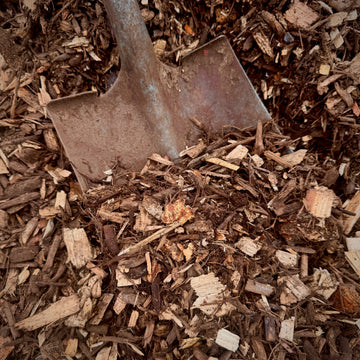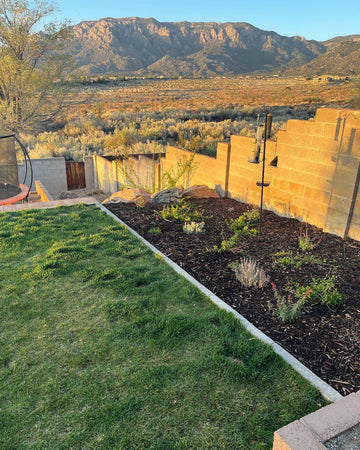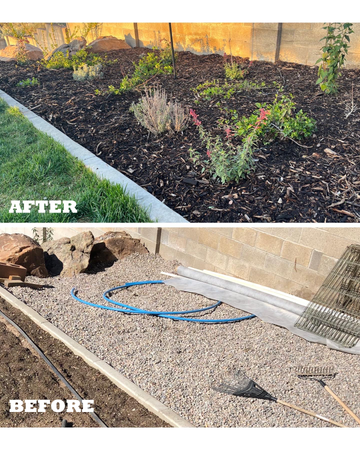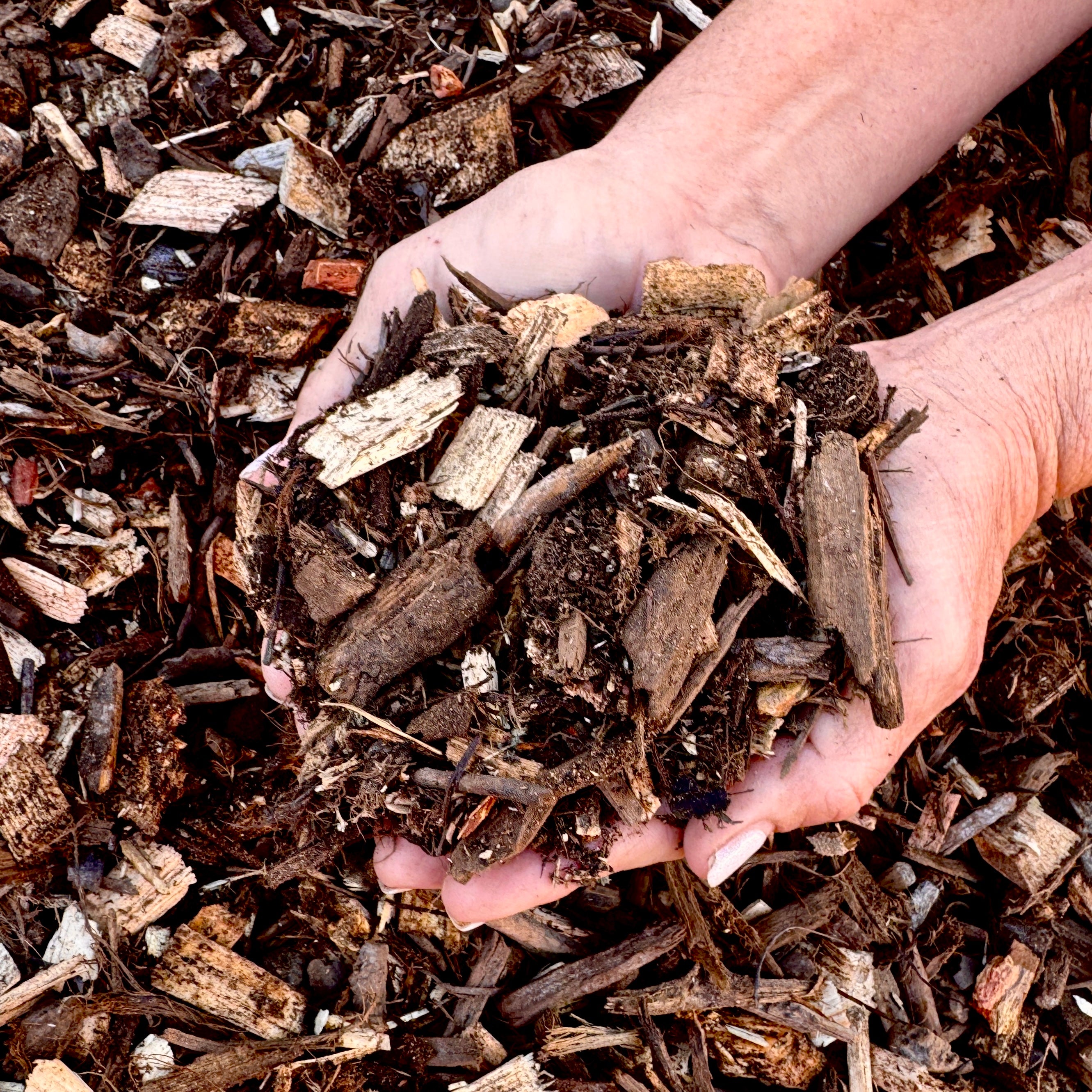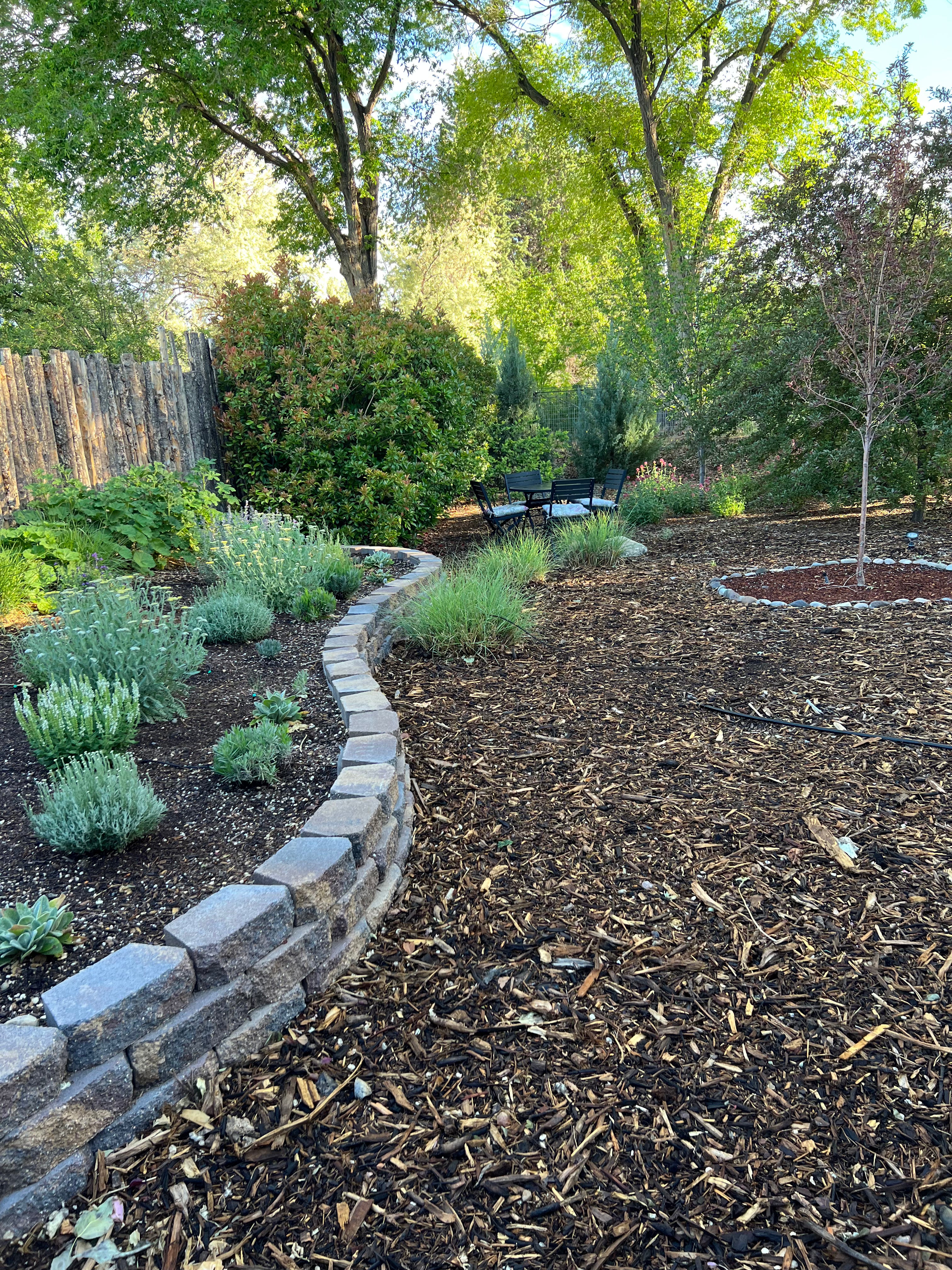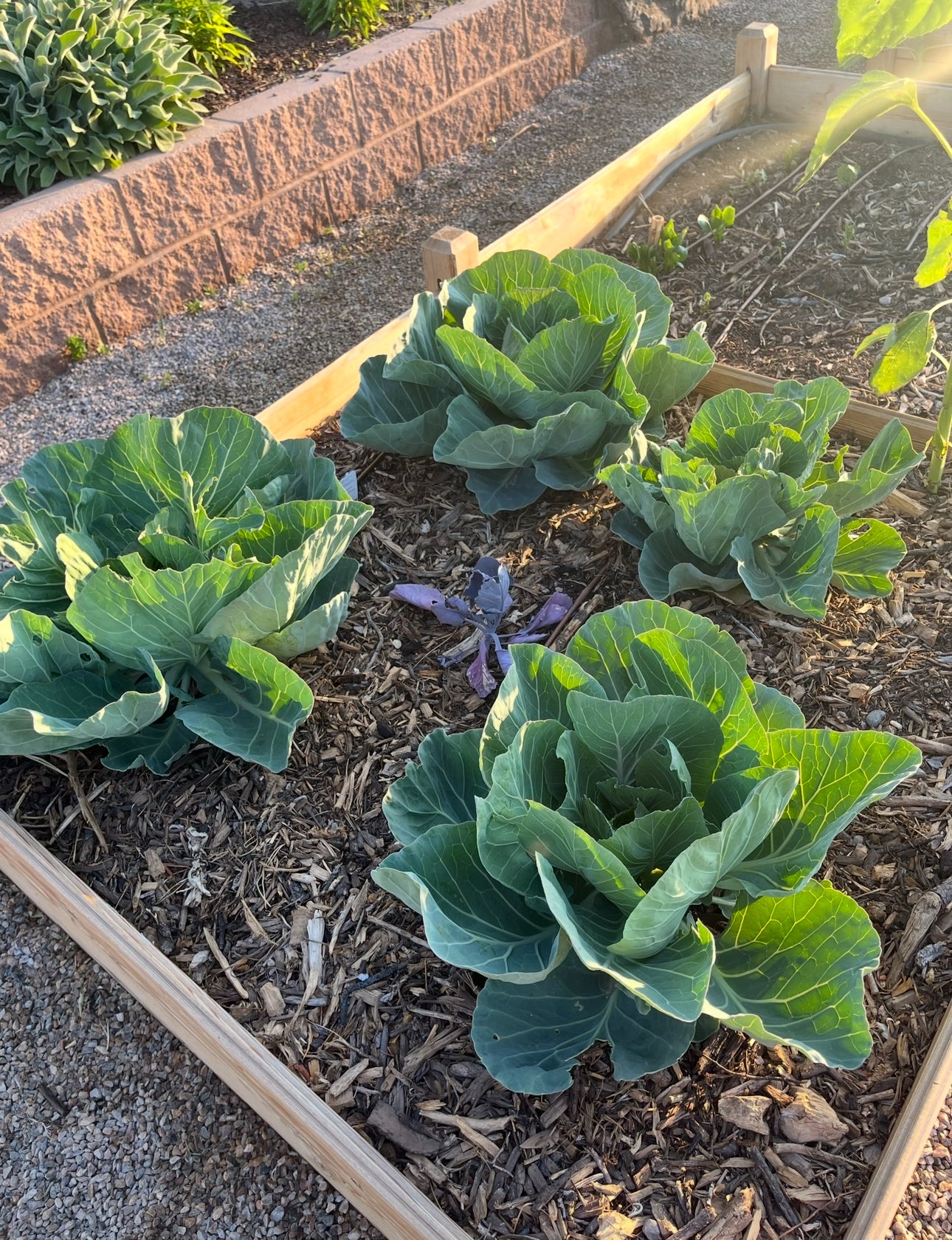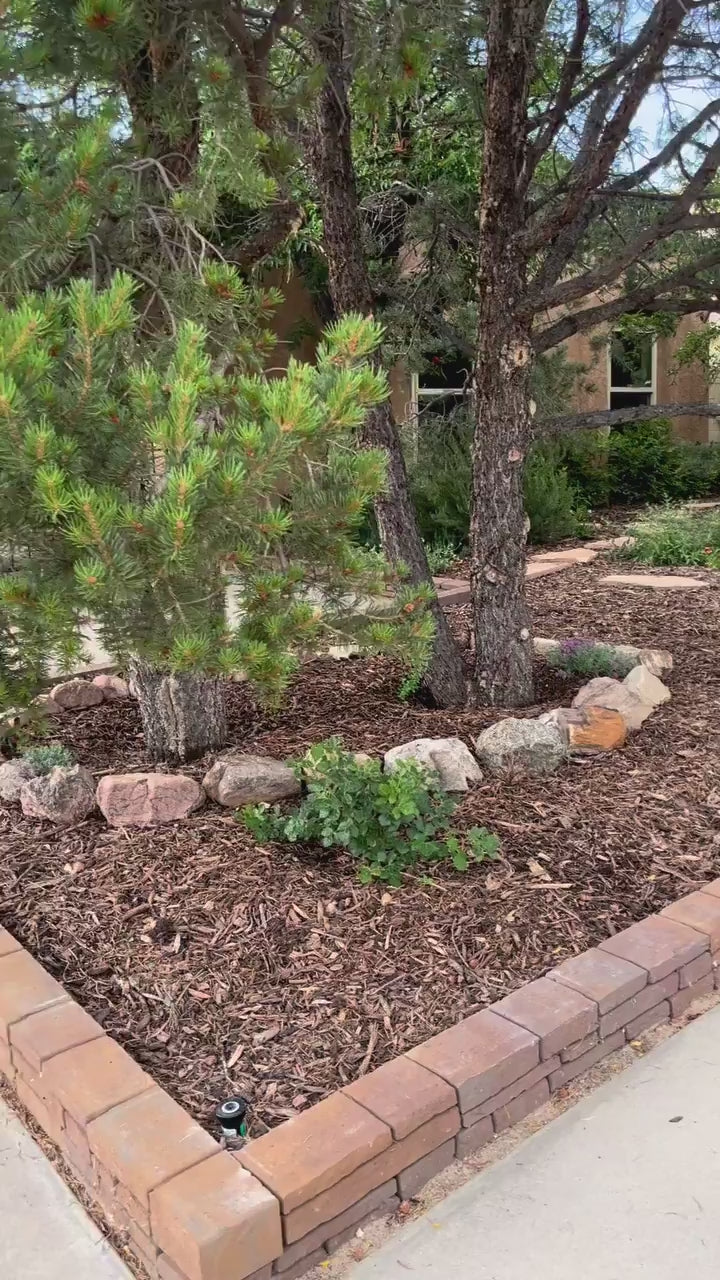



Caption: dyed “wood” mulch—
What’s Behind Bagged “Wood” Mulch?
Walk through any big box store and you’ll see stacks of bagged mulch in deep reds, dark browns, and jet blacks. It looks clean. Uniform. Finished. But here’s the question worth asking:
What is that material actually made from—and what is it adding to your soil, and why is it so cheap?
Most commercially bagged mulch isn’t made from fresh, natural wood. It’s often produced from:
-
Ground construction debris
-
Recycled pallets
-
Scrap lumber
That material can include:
-
Chemically Treated wood
-
Paints, stains, or sealants
-
Fasteners or contaminants (removed during processing, but not always perfectly)
To make it visually appealing, it’s then dyed using synthetic colorants to create that uniform red, black, or brown look.
What Does That Mean for Your Soil?

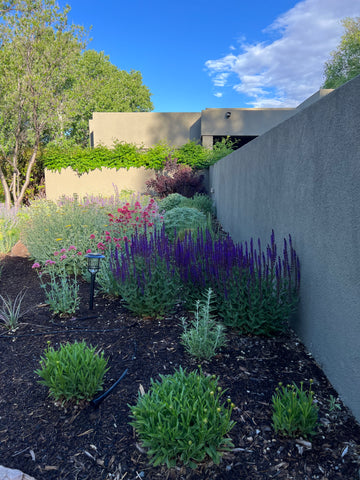
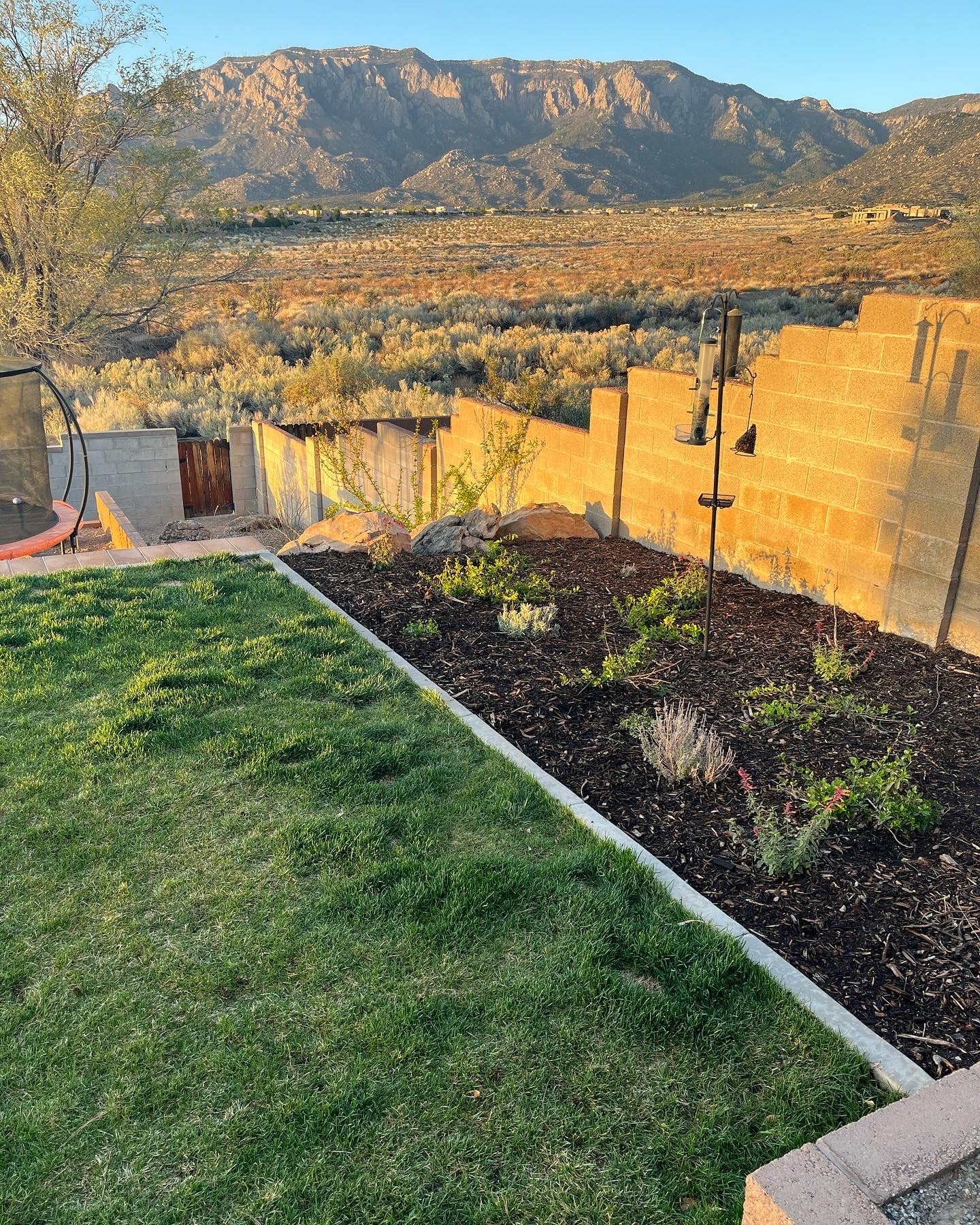
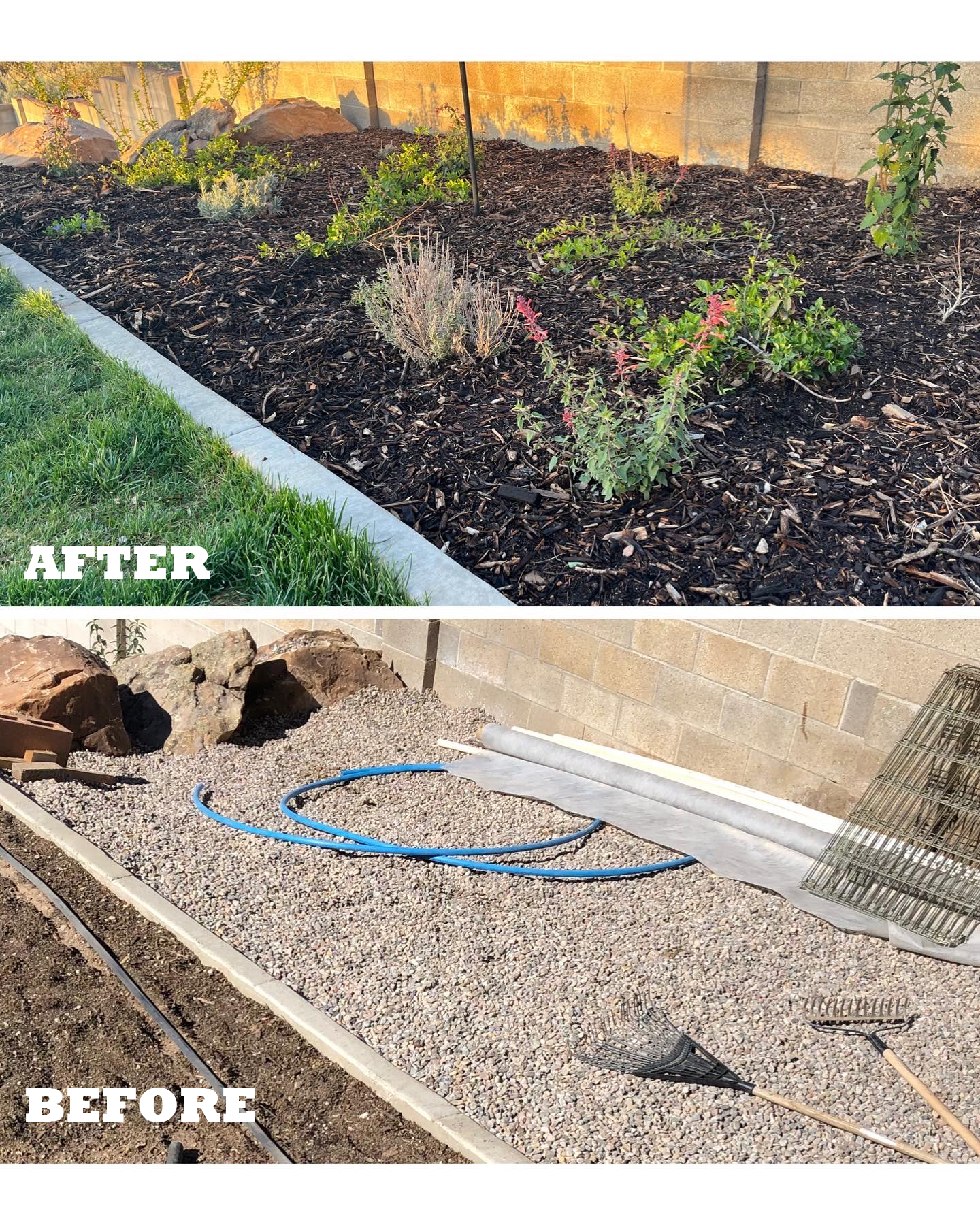
Caption: Dyed Red “wood” Mulch doesn’t just sit on top of your soil—it interacts with it.
Mulch breaks down over time. That’s part of its job. But when the source material includes treated or processed wood, you have to ask:
What’s being released as it decomposes?
Depending on the source, this can include:
-
Residual chemicals from wood treatments
-
Synthetic dyes
-
Unknown contaminants from mixed waste streams
Even when products are labeled as “safe,” they’re not designed with plant or soil health as the priority—they’re designed for cost and appearance.
Arborist Wood Chips: The Natural Standard

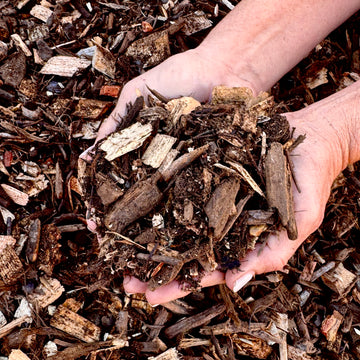
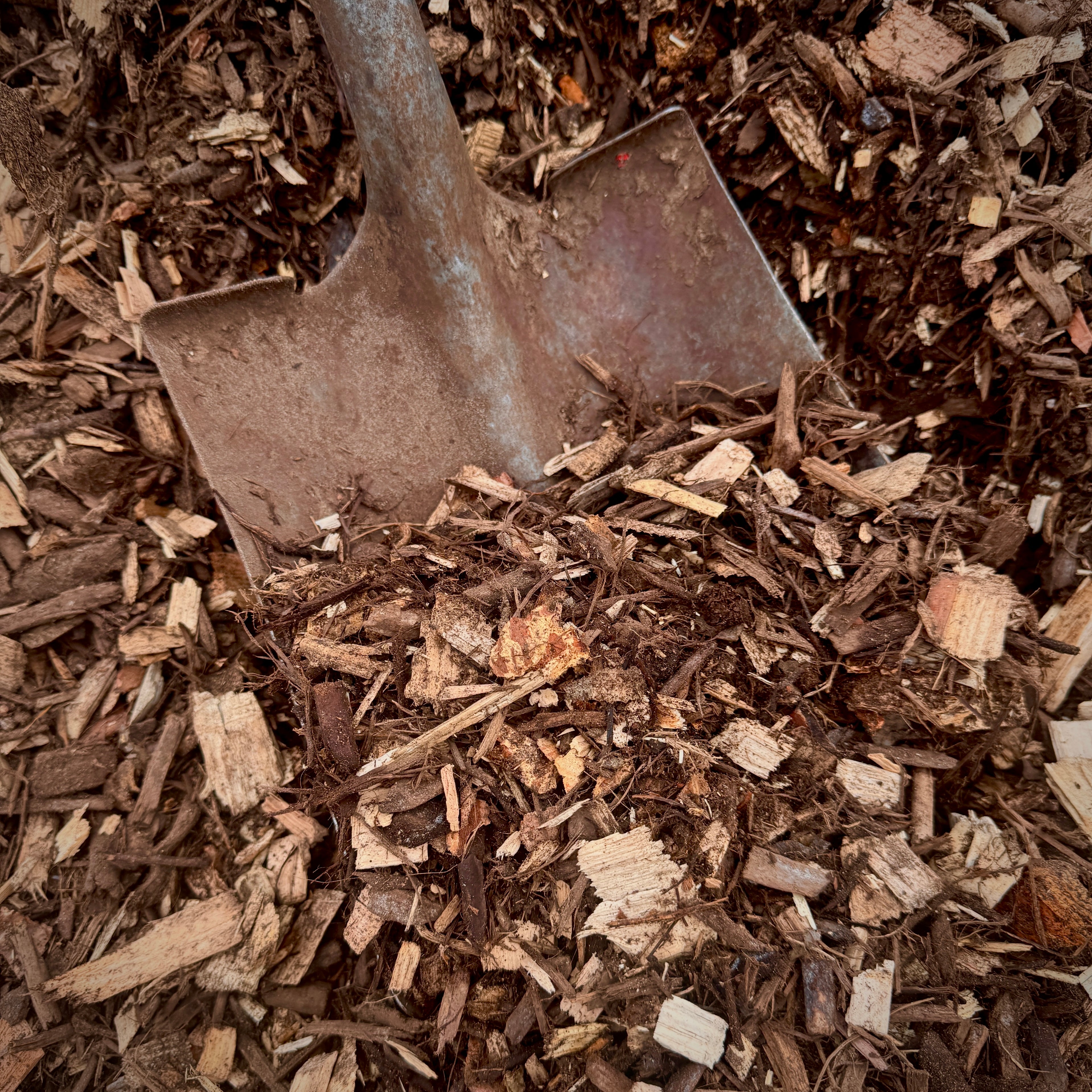
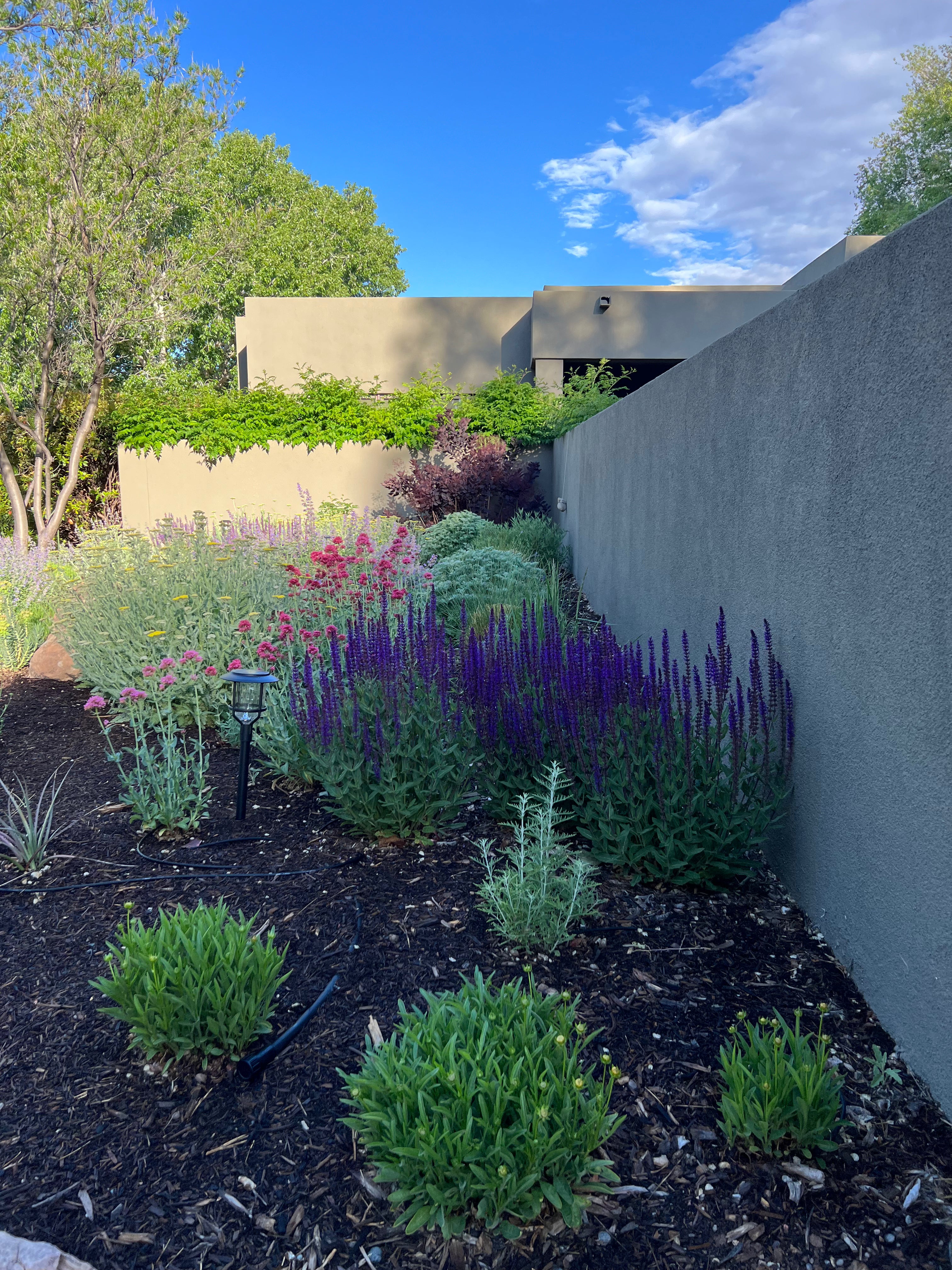
Caption: Soilutions Forest Floor Mulch: Real wood chips come from actual trees.
Natural arborist chips—the kind produced from tree trimming—are completely different. They’re made from:
-
Whole trees (wood, bark, leaves)
-
Fresh, untreated material
-
Local, organic inputs
This diversity matters. It creates a mulch that:
-
Feeds soil biology
-
Breaks down naturally
-
Improves structure and moisture retention
-
Is safe for your family and pets
In short: it works with your soil, not against it.
The Soilutions Approach to Mulch
At Soilutions, we don’t use construction waste or dyed materials.
We build mulch the same way we build soil—from real, local, organic inputs.
We carry four different types of mulch for different uses and preferences. Here’s how our mulches stack up:
FOREST FLOOR MULCH
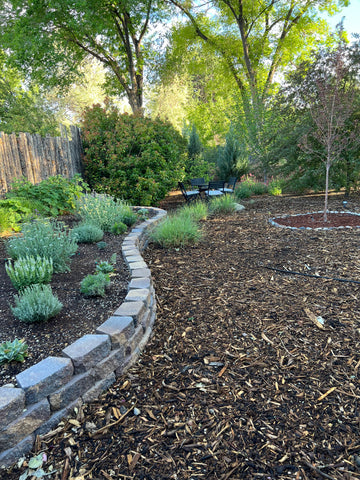
Our Forest Floor Mulch looks, smells and feels just like the forest floor! It is created from ground composted wood, ponderosa pine chips and 10% of our Soilutions Compost, making it ideal for anywhere your plants need an extra boost of nutrients.
-
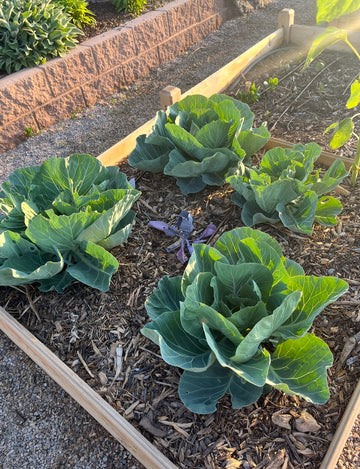
Ideal for garden beds, tree wells and vegetable gardens
-
Improves moisture retention and soil life
-
This is our most popular mulch for a reason!

Forest Floor Mulch is perfect for protecting plant roots and retaining water in vegetable beds. It is made from compost and composted wood and will not rob your soil of nitrogen like fresh ground wood can.
NATIVE MULCH
Our Native Mulch features a varied particle size spanning from fine shreds up to 6". This mulch forms a tightly woven mat that is designed to protect soil from erosion in New Mexico's harsh environment -no amount of wind or rain-will float this mulch away when installed properly. It will even hold up to slopes that need protection during and after re-vegetation.
-
Knits together to resist wind and erosion
-
Ideal for slopes, revegetation, and exposed areas
-
Great to cover bare soil to prevent blowing dust near homes and businesses
-
Designed to stay put in high desert weather
- Built for New Mexico's toughest conditions

PLAYGROUND MULCH
Bring park-quality safety home. Our Playground Mulch is the same soft, engineered wood used in playgrounds worldwide—perfect for barefoot-friendly spaces and dog runs. Designed to be easy on feet and help cushion falls*, it’s IPEMA-certified to meet ASTM standards.
-
Engineered wood fiber
-
Softer surface for impact absorption and barefoot comfort
-
Great for schools, parks, and backyard play areas and dog runs

Clean, consistent, and built for safety.
*when installed per guideline of 8-10” deep
PECAN SHELL MULCH
Red pecan shells are brought in from farms in southern New Mexico and are a great way to celebrate New Mexico agriculture in style. Pecan shells are a great alternative to gravel in xeriscape design, as pathways, and make terrific mulch for rose beds and potted plants. Using pecan shells rather than rock can reduce evaporative moisture loss and may help keep your yard a little cooler during the hottest days of summer.
-
Great alternative to gravel
-
Ideal for pathways, rose beds and containers

Pecan Mulch: A New Mexico original.
Why It Matters
Mulch isn’t just decorative—it’s functional. It affects:
-
Soil biology
-
Water retention
-
Temperature regulation
-
Long-term soil health
So the question isn’t just what looks good today— it’s what’s building your soil over time.
The Bottom Line
Not all mulch is created equal. Dyed, processed mulch may offer a quick visual fix— but natural, organic mulch builds something much more valuable: Healthy soil.
Build Soil. Choose Better Mulch.
At Soilutions, we keep it real—no dyes, no construction waste, no shortcuts. Just locally sourced, organic materials designed to work with New Mexico’s environment.
Because better mulch doesn’t just cover your soil— it improves it!