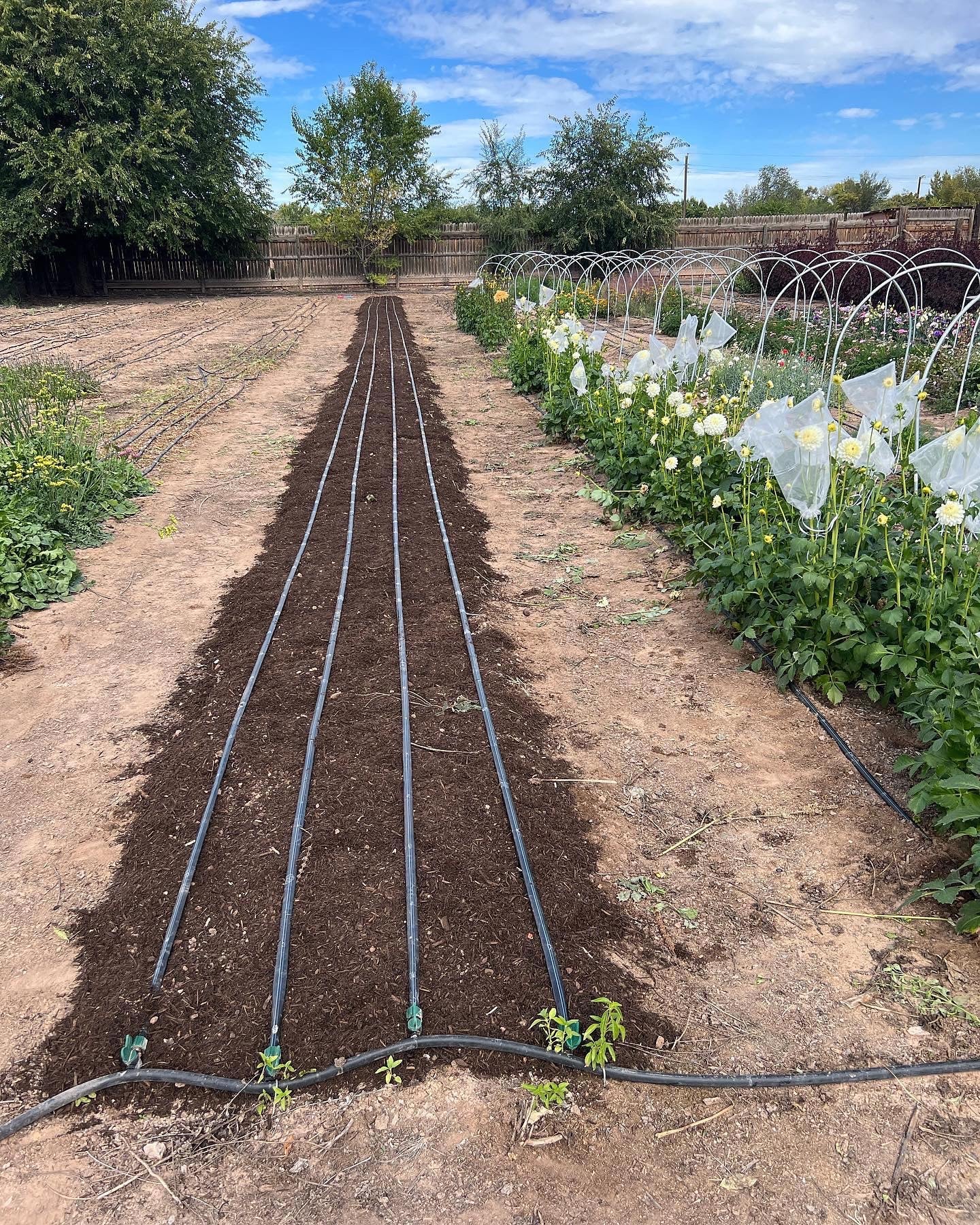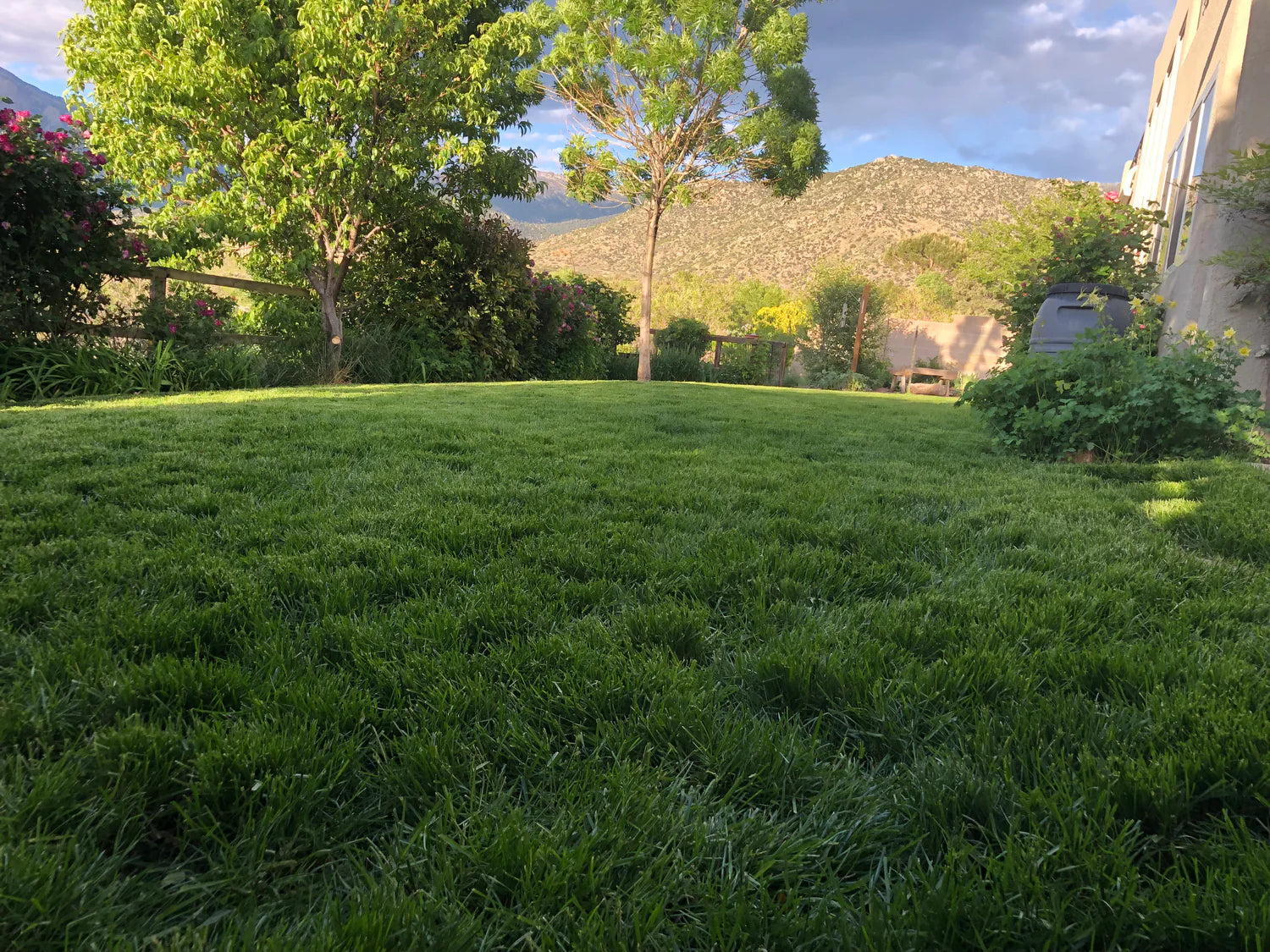


When you amend or fertilize your soil, you’re not just growing plants—you’re shaping the environment your pets, your kids, and your family interact with every day.
And not all products are created with that in mind.
The spaces we grow in are the same spaces our pets and kids live in.
What’s Really in Lawn & Garden Chemicals?
Many conventional fertilizers, herbicides, and pesticides are designed for fast results—quick green-up, quick weed control, quick fixes.
But those results often come from synthetic chemical inputs that don’t just stay in the soil.
They can:
- Sit on the surface of lawns and garden beds
- Be absorbed through paws and skin
- Be tracked indoors onto floors and furniture
Pets and children are especially vulnerable because of how they interact with their environment—playing on the ground, touching soil, and putting hands (or paws) in their mouths.
The Risk to Pets

Pets experience the environment up close—right where chemicals are applied.
Research shows that pets are regularly exposed to lawn and garden chemicals through:
- Skin contact (paws and fur)
- Inhalation
- Ingestion (licking paws or eating grass)
And that exposure isn’t just theoretical.
- Herbicide exposure has been linked to increased rates of cancers in dogs, including lymphoma and bladder cancer.
- Some studies show dogs in treated environments (especially synthetic chemicals sprayed on lawns) may have a significantly higher risk of lymphoma.
- Certain lawn chemicals and pesticides can cause neurological symptoms, digestive issues, and toxicity depending on exposure levels.
Even when used “correctly,” these products require precautions—like keeping pets off treated areas until residues dry.
The Risk to Children
Children face similar risks—but often with greater sensitivity.
- Their bodies are still developing
- They spend more time in direct contact with soil and grass
- They’re more likely to ingest residues through hand-to-mouth behavior
That’s why even the U.S. The Environmental Protection Agency emphasizes reducing pesticide exposure in home environments as this helps lower risks to people, pets, and surrounding ecosystems.

A Better Way: Feed the Soil, Not Just the Plant
Healthy soil is built—not forced.
At Soilutions, we take a different approach
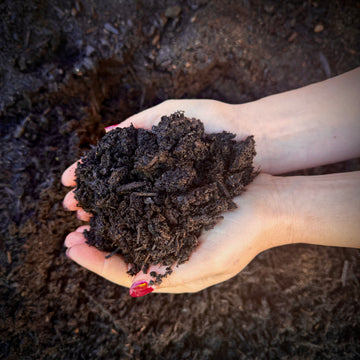
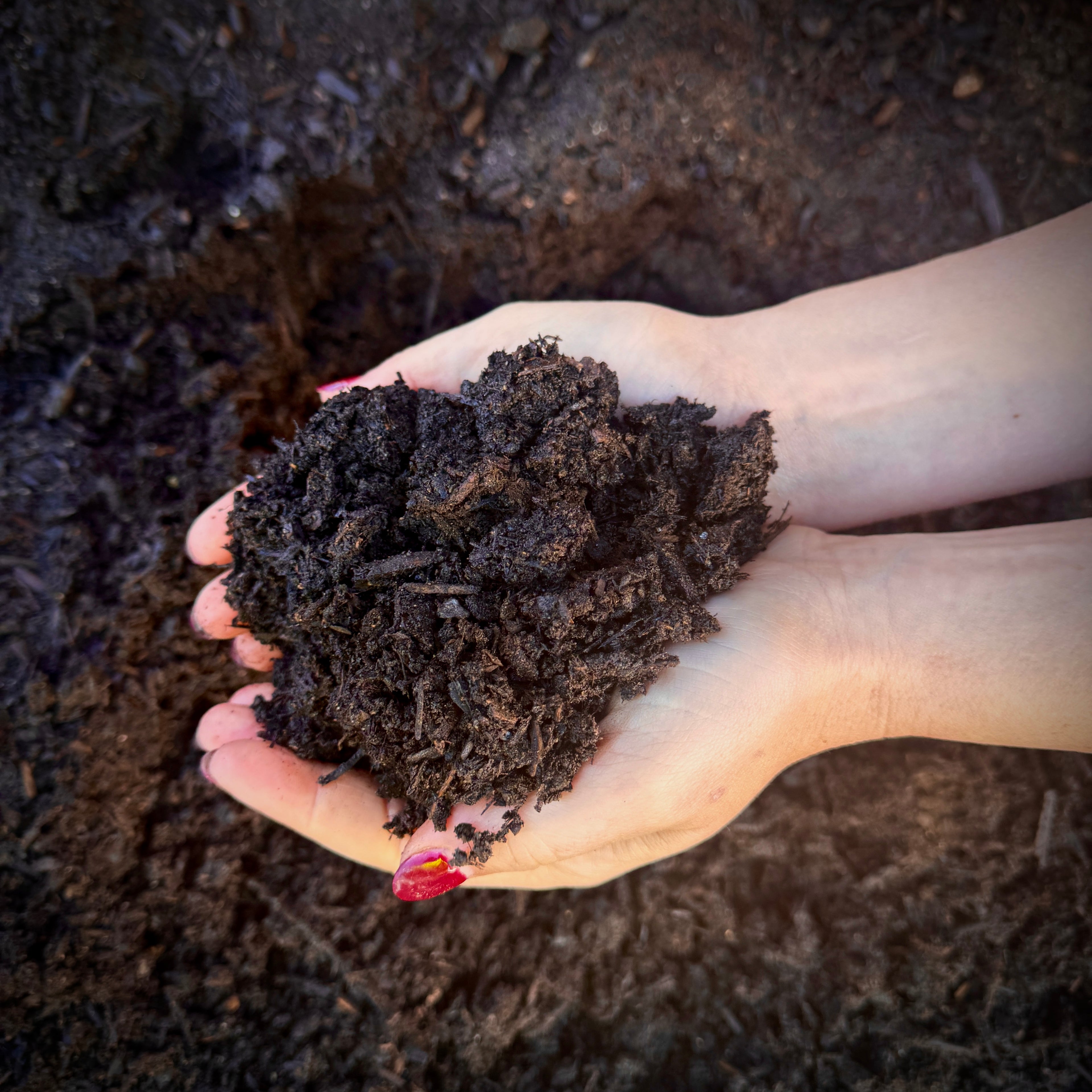
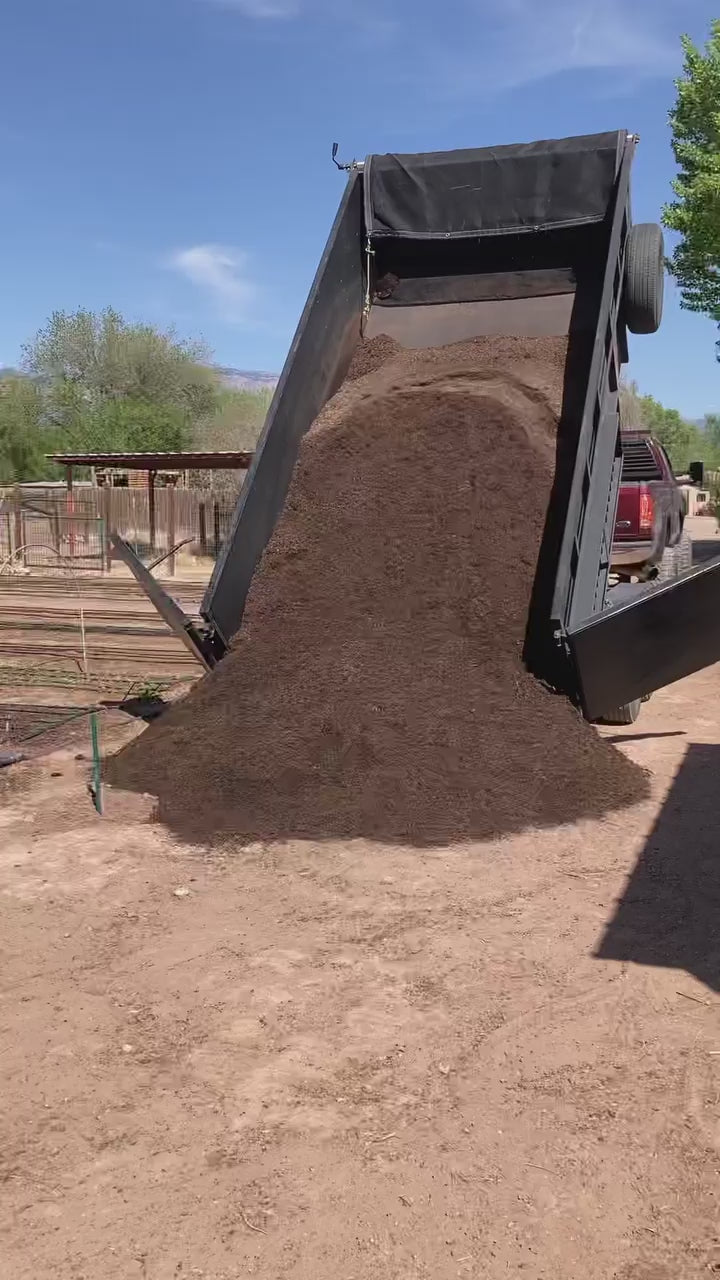
Instead of relying on synthetic fertilizers, we use naturally manufactured compost to build living soil. That means:
- No synthetic chemical inputs
- No forced nutrient spikes
- No shortcuts
- Instead, compost works by:
- Supporting microbial life
- Building organic matter
- Improving soil structure and water retention
- Releasing nutrients naturally over time
-
We feed the soil—so the soil can feed the plant.
Why This Matters for Your Family
When you build soil naturally:
- There’s no risk of chemical exposure for pets and children
- You create a more stable, resilient growing environment
- You support long-term soil health—not just short-term growth
And maybe most importantly—you can feel better about what’s happening in your own backyard.
The Bottom Line
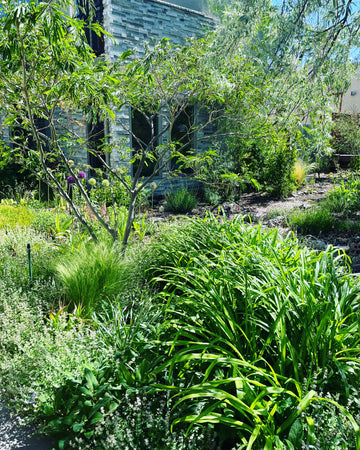
Your lawn or garden isn’t just for plants.
It’s where your dog rolls around.
Where your kids play.
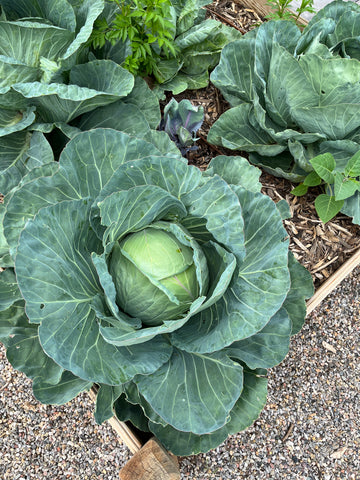
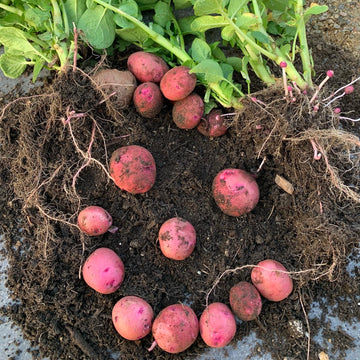
Where you grow your food.
Where life happens.
Choosing a natural, compost-based approach isn’t just about growing better plants—
It’s about creating a healthier environment for everything that depends on that soil.
Build Soil. Protect What Matters.
At Soilutions, we’ve spent decades building soils that work with nature—not against it.
No shortcuts. No fillers. Just real inputs, real biology, and real results in New Mexico gardens.