

New Mexico is known for its beautiful forests, mountain landscapes, and the iconic cottonwood trees that line the Rio Grande. But maintaining these treasured landscapes takes work, especially as our state faces increasing challenges from drought, wildfire, and invasive plant species.
Every year, forest restoration, wildfire prevention, and environmental cleanup projects remove enormous amounts of trees, branches, and other woody vegetation from our landscapes.
Have you ever wondered what happens to all that wood once it's removed?
At Soilutions, we're helping give these natural materials a valuable second life by transforming them into compost, soils, and mulches that support healthier landscapes throughout New Mexico.

🌲 Wildfire Prevention: Reducing the Fuel
Wildfire is a natural part of many forest ecosystems, but decades of fire suppression, drought, and changing environmental conditions have contributed to dangerous fuel buildups in some areas.
Forest thinning and wildfire mitigation projects help reduce those risks by removing excess woody vegetation, dead trees, and accumulated branches that can fuel destructive fires. These proactive efforts help protect nearby communities while promoting healthier, more resilient forests.
🔥 Post-Fire Recovery: Restoring the Landscape
After a wildfire, recovery efforts often include removing hazardous dead trees, damaged vegetation, and other woody debris.
These projects are essential for protecting communities, restoring access, and supporting the long-term recovery of affected landscapes.
🌳 Bosque Restoration: Protecting a New Mexico Treasure
If you've spent time walking or biking along the Rio Grande, you know how special our bosque is.
These beautiful cottonwood forests provide important habitat for wildlife, shade along the river, and recreational spaces enjoyed by generations of New Mexicans. The bosque is also a critical stop along a major migratory bird corridor, providing food, shelter, and nesting habitat for both resident and migrating birds. From sandhill cranes and waterfowl to songbirds and other wildlife, countless species depend on this unique ecosystem.
But our bosque faces challenges from invasive plant species, accumulated dead vegetation, and wildfire risks.
Thoughtful restoration projects help protect this delicate habitat by selectively removing invasive woody plants, hazardous dead trees, and excess vegetation. When carefully planned to preserve important wildlife habitat, these efforts can improve ecosystem health, reduce fire hazards, and help ensure that migratory birds and other wildlife continue to thrive along the Rio Grande for generations to come.
♻️ From Woody Biomass to Compost, Soil & Mulch

So, how does a tree removed during a forest restoration project eventually become part of someone's garden?
It all starts at our 14-acre composting facility in Albuquerque's South Valley.
When woody biomass arrives at Soilutions, it is processed and ground into smaller pieces. Depending on the material and its intended use, it can become part of several products:
-
Compost: Ground woody materials are combined with other organic feedstocks, including food waste and landscaping waste, and carefully managed through the composting process. Over time, these materials break down into finished compost that helps improve soil structure and support healthy plant growth.
-
Soil Blends: Our finished compost becomes an important ingredient in soil products designed to support gardens, landscapes, and planting projects throughout New Mexico.
-
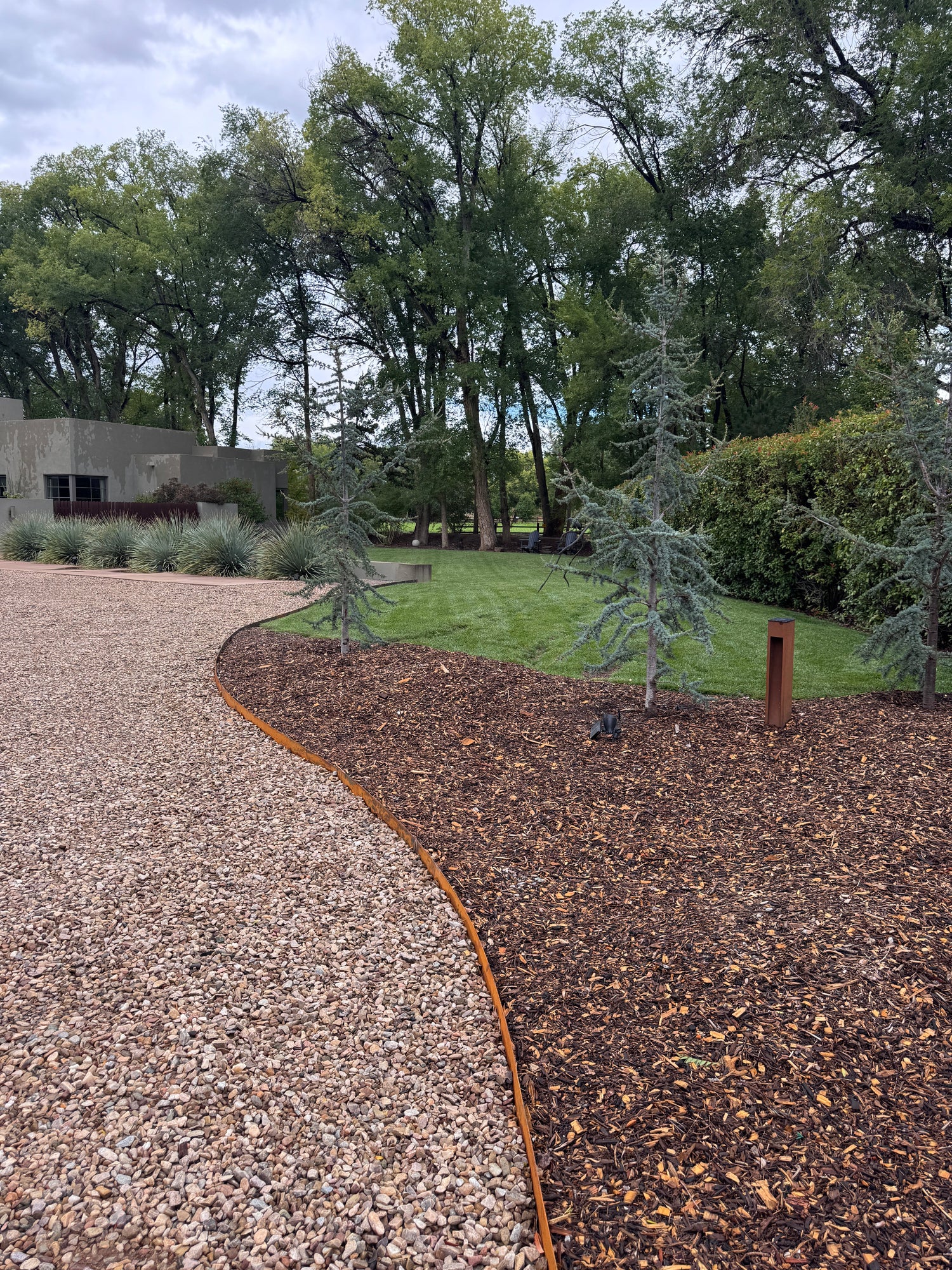
Mulch: Suitable woody materials can be processed into mulch that helps conserve soil moisture, moderate soil temperatures, reduce weeds, and protect exposed soil from erosion.
What started as excess vegetation in a forest or along the Rio Grande can eventually help nourish a vegetable garden, protect a newly planted tree, or improve a New Mexico landscape.
That's organics recycling in action!
🌱 Why Recycling Woody Biomass Matters
Woody biomass recycling is about much more than finding a place for branches and trees.
When suitable organic materials are recovered and put to productive use, the benefits extend well beyond the original restoration project.
♻️ Keeping Organic Materials Out of Landfills
Recycling woody biomass creates a productive alternative to landfill disposal and helps conserve valuable landfill space.
💧 Supporting Water-Wise Landscapes
Compost helps improve soil structure and water retention, while mulch reduces evaporation from the soil surface. Both are especially valuable in New Mexico's dry climate.
🌿 Building Healthier Soil
Finished compost adds organic matter to our soils, helping improve their structure and ability to support healthy plant growth.
🌎 Making Better Use of Natural Resources
Instead of treating removed vegetation as waste, we can recognize it as a resource that still has something valuable to contribute.
🤝 Different Projects, One Shared Goal
One of the things we love most about this work is seeing how different environmental efforts can complement one another.
Forest restoration crews are working to protect our forests.
Wildfire mitigation teams are helping reduce risks to communities.
Bosque restoration projects are protecting one of New Mexico's most treasured ecosystems.
And at Soilutions, we're helping turn suitable materials recovered from those efforts into products that support healthier soils and landscapes.
Each organization has a different role, but together, we're contributing to a healthier, more resilient New Mexico.
We're proud to work with the organizations, agencies, contractors, and crews doing this important restoration work across our state.
🌲 Giving New Mexico's Natural Resources a Second Life

The next time you spread compost in your garden or add a fresh layer of mulch around your trees, consider where some of those organic materials may have started.
They most likely will have come from a forest restoration project in the mountains, wildfire mitigation work near a New Mexico community, or cleanup efforts along the Rio Grande.
It's a wonderful reminder that nature's resources can continue to serve a purpose long after their first job is done.
From forest restoration to healthier soil, we're helping keep New Mexico's natural resources working for New Mexico. 🌱