

June is one of the most rewarding months in the New Mexico garden. The days are long, the soil is warm, and plants establish quickly when given consistent moisture. While the heat may seem intimidating, there are plenty of vegetables, trees, and shrubs that thrive when planted now.
Whether you’re adding a new vegetable bed or investing in a shade tree, success starts with healthy soil and proper mulching.
Crops to Plant Now
Warm-season vegetables love New Mexico’s sunny days and warm soil temperatures. If you haven’t planted them yet, there’s still plenty of time.
Direct sow:
- Beans (bush and pole)
- Cucumbers
- Summer squash
- Winter squash
- Pumpkins
- Corn
- Melons
- Sunflowers
- Transplants:
- Tomatoes
- Peppers
- Eggplant
- Basil
- Tomatillos
Many gardeners also begin a second succession of beans, cucumbers and sunflowers for late-summer harvests.
Trees and Shrubs
Contrary to popular belief, summer can be an excellent time to plant container-grown trees and shrubs—as long as you’re committed to watering them regularly during their first season.
Consider planting:
- Desert willow
- Chaste tree (Vitex)
- New Mexico olive
- Crape myrtle
- Smoke bush
- Apache plume
- Native or adapted oaks
- Butterfly bush (buddleia)
Warm soil encourages rapid root growth, allowing plants to establish before winter arrives.
Start with Healthy Soil!
New Mexico soils are often low in organic matter and can be compacted or fast-draining. Adding quality compost at planting time improves soil structure, helping sandy soils hold moisture while loosening heavy clay soils.
When planting vegetables, mix compost into the top several inches of soil where roots will actively grow.
For trees and shrubs, incorporate compost into the native backfill soil rather than creating a pocket of pure compost. This creates a gradual transition that encourages roots to grow outward into the surrounding soil while increasing water-holding capacity and supporting beneficial soil biology. Any leftover compost can be used to topdress the soil around the rootball.
Healthy soil means healthier roots, more resilient plants, and less stress during our hot, dry summers.
Don’t Skip the Mulch
If there’s one step that makes the biggest difference after planting, it’s adding mulch.
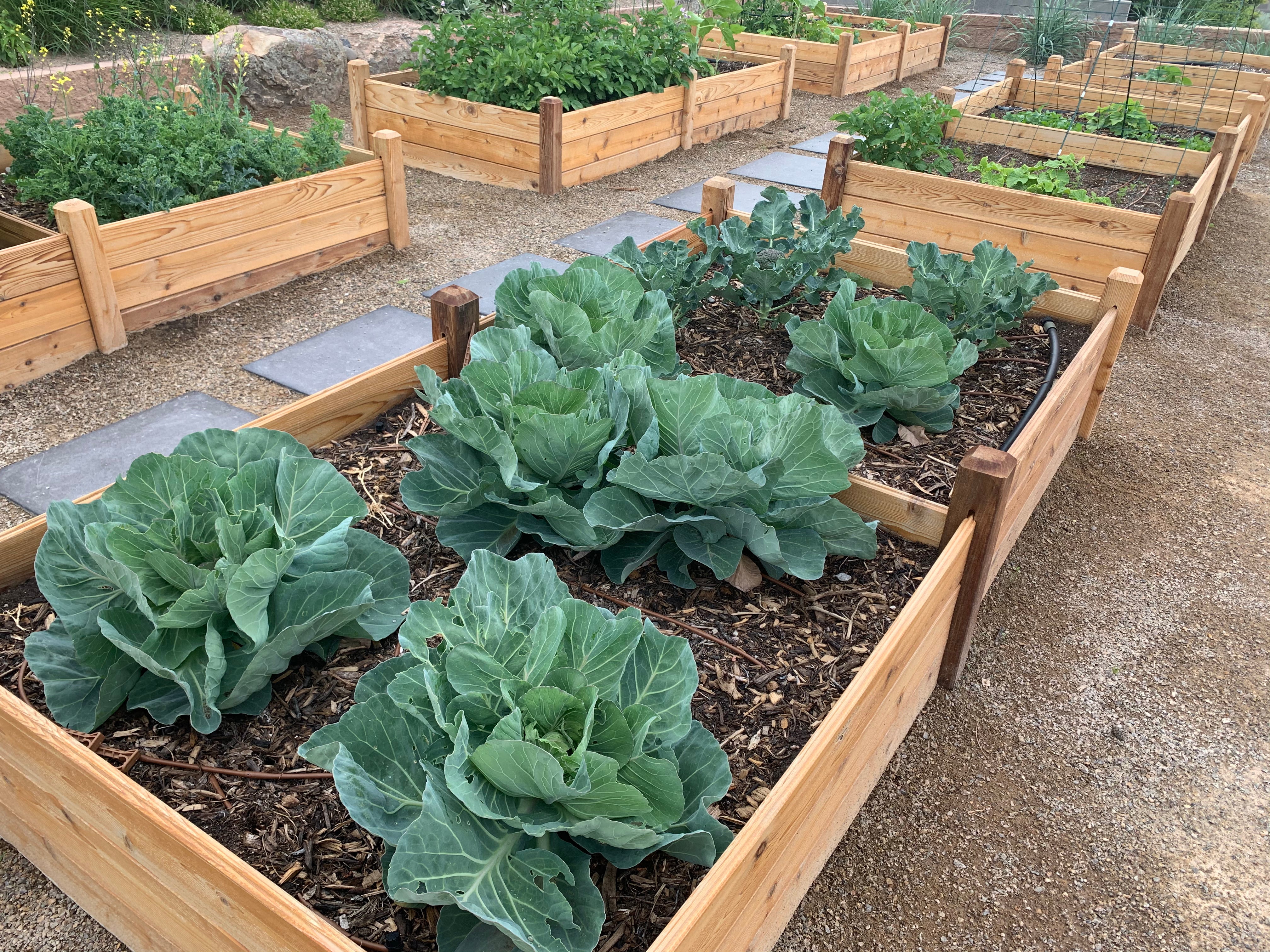
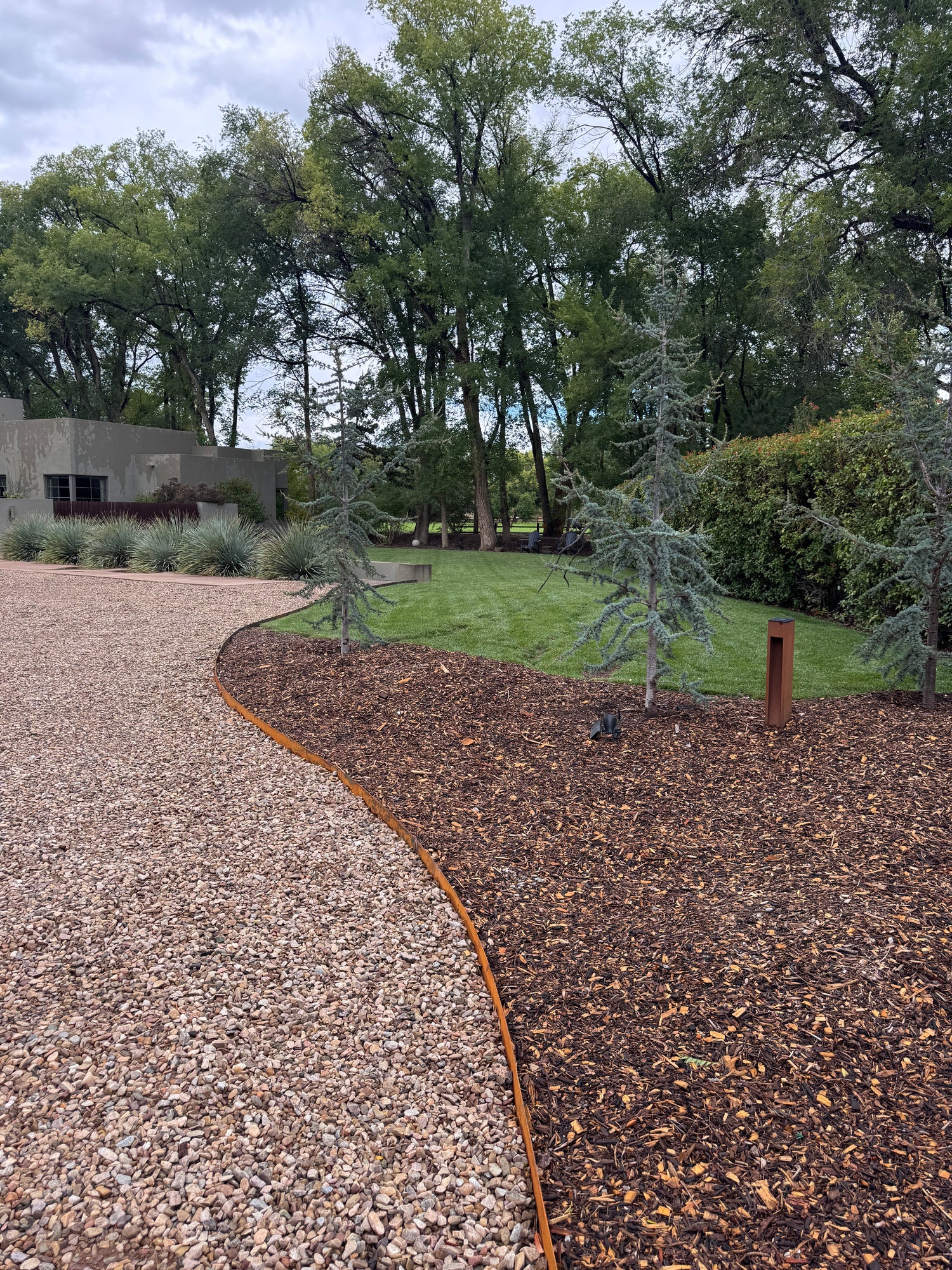
Apply a 2–4 inch layer of organic mulch around vegetables, trees, shrubs, and perennial beds. Arbor chips, pecan mulch, compost, or other natural mulches all provide valuable benefits.
Mulch helps:
- Reduce water evaporation from the soil
- Moderate soil temperatures during extreme heat
- Suppress weeds that compete for water and nutrients
- Protect soil from erosion and crusting
- Feed the soil as organic materials gradually decompose
- For trees and shrubs, keep mulch a few inches away from the trunk to prevent excess moisture against the bark, creating a wide mulch ring rather than a “mulch volcano.”
Water Wisely
Newly planted gardens require consistent moisture while roots become established. Deep, infrequent watering encourages roots to grow downward rather than staying near the surface.
Plants growing in compost-amended, mulched soil will typically require less frequent irrigation than those growing in bare ground.
The Bottom Line
June is not the end of the gardening season in New Mexico—it’s just getting started. Warm-season vegetables are hitting their stride, trees and shrubs can establish quickly in warm soil, and investing in compost and mulch now pays dividends all season long.
Healthy soil covered with organic mulch creates a living system that conserves water, supports beneficial microorganisms, and helps plants thrive through the challenges of a high-desert summer. Those two simple practices may be the best investment you can make in your garden this year.