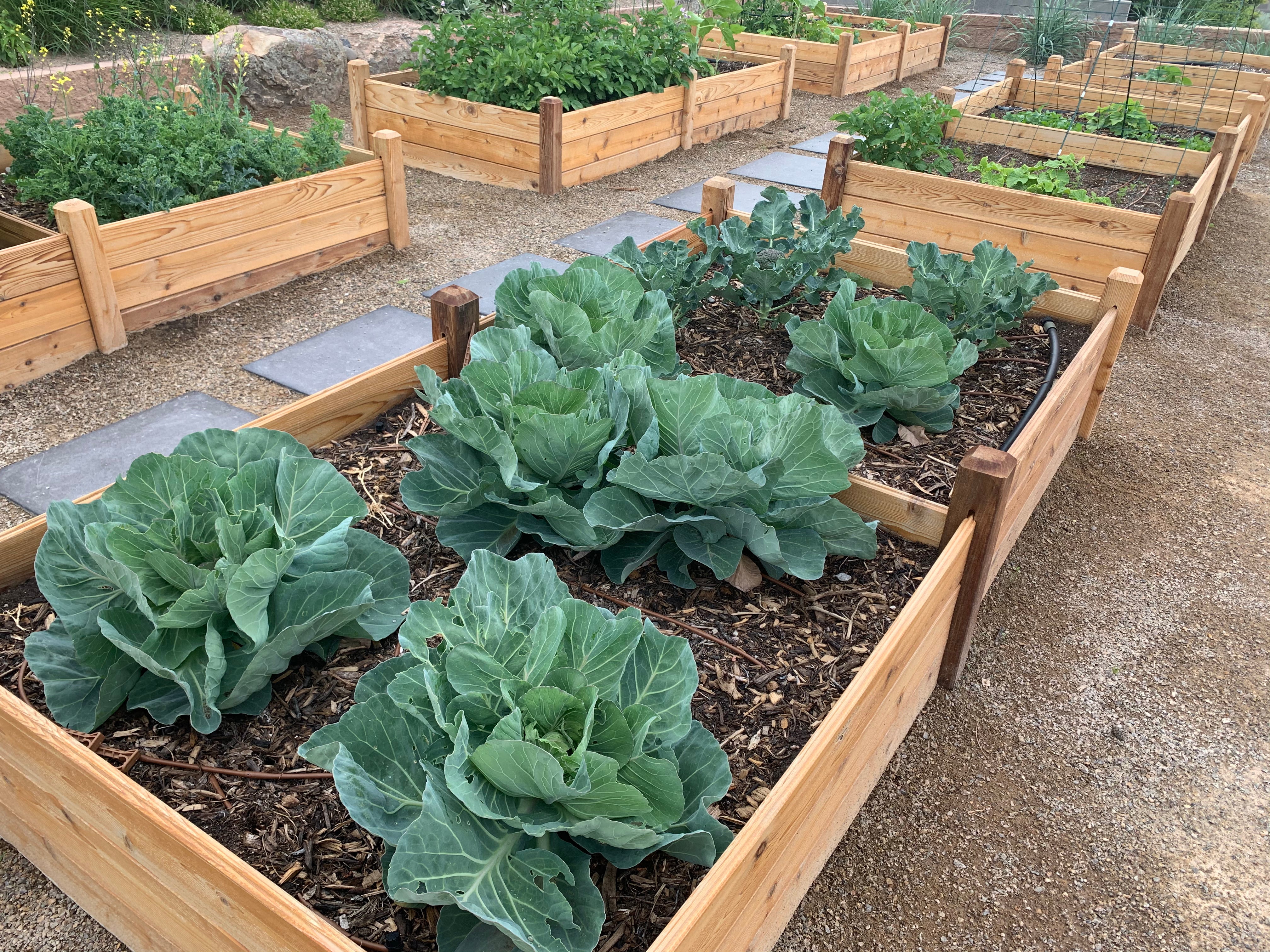


If you've ever tried planting directly in New Mexico soil, you know the struggle—hard clay, low organic matter, and nutrients that just aren't there. That's exactly why raised bed gardening is one of the best ways to grow vegetables and flowers in our region.
Raised beds give you full control over your soil, which means healthier plants, better yields, and a lot less frustration.
I have 10 raised beds in my own garden, and every year they're filled with a mix of vegetables and flowers. One of my favorite early spring crops? Sugar snap peas 🫛—they're easy, fast-growing, and perfect to plant in April.
If you've been thinking about starting a garden, here's a simple way to get growing.
🌱 Starting a Raised Bed Garden in 7 Simple Steps

🪵 1. Choose Your Raised Beds
You can purchase raised beds at local hardware stores, order them online, or build your own. Aim for at least 16 inches deep so plant roots have plenty of room to grow.
☀️ 2. Pick the Right Location
Most vegetables and flowers need 6–8+ hours of sunlight each day. Spend a day observing your yard or use a sunlight meter to find the best spot.
🌿 3. Build Your Soil Foundation
Once your beds are in place, fill them with high-quality soil to a depth of at least 16 inches.
To save on soil and improve drainage, you can layer the bottom with natural materials like sticks, pinecones, or cardboard. This mimics nature and helps build healthy soil over time.
📅 Timing Tip: In New Mexico, aim to prepare your beds between mid-February and mid-April so you're ready to plant in spring.
A compost-rich, biologically active soil blend is especially important in our region. Many local gardeners (myself included) use Soilutions Premium Garden Soil because it's designed specifically for New Mexico's climate and gives plants a strong start.
💧 4. Prep Your Soil Before Planting
Water your soil for about three days before planting.
When soil is placed into a raised bed, it becomes aerated and microbial activity begins to wake up. Giving the soil a few days to settle creates a more stable, plant-friendly environment.
If you prepare your beds several weeks ahead of planting, continue watering periodically to keep the beneficial biology active.
🥬 5. Start Planting

In Albuquerque and similar climates, Mother's Day is generally considered a safe time to plant warm-season crops. However, there are plenty of vegetables you can plant even earlier.
In April, consider planting:
🫛 Sugar snap peas (a must!)
🥬 Lettuce
🌿 Spinach
❤️ Radishes
Whether you start from seed or transplants, healthy soil gives every plant the best chance to thrive.
🪵 6. Add Mulch for Success
After planting, apply about 2 inches of mulch to help:
💧 Retain moisture
🌡️ Regulate soil temperature
🌱 Support healthy soil biology
If you're planting seeds, wait until seedlings reach about 3 inches tall before bringing mulch up around them.
A natural mulch made from composted wood—like Soilutions Forest Floor Mulch—helps protect your soil while slowly adding organic matter back into the garden.
🚿 7. Water Consistently (This Is Key in New Mexico)
Raised beds dry out much faster than in-ground gardens, especially in our sunny, high-desert climate.
From April through August, plan to water daily. During the hottest part of summer, you may even need to water more than once a day depending on temperatures and wind.
Your goal is simple:
Keep the soil consistently moist—not soggy and not bone dry.
A good rule of thumb is to check the top inch of soil. If it feels dry, it's time to water.
Mulch will help conserve moisture, but consistent watering is what keeps vegetables healthy, productive, and stress-free.
🌻 Why Raised Beds Just Work in New Mexico

Raised beds aren't just convenient—they're one of the smartest investments you can make for gardening in New Mexico.
By building your soil from the ground up, you're creating a thriving ecosystem where plants can truly flourish.
Healthy soil.
Healthy roots.
Healthy harvests.
And don't be surprised if one raised bed turns into ten.
Trust me...
It happens faster than you think.