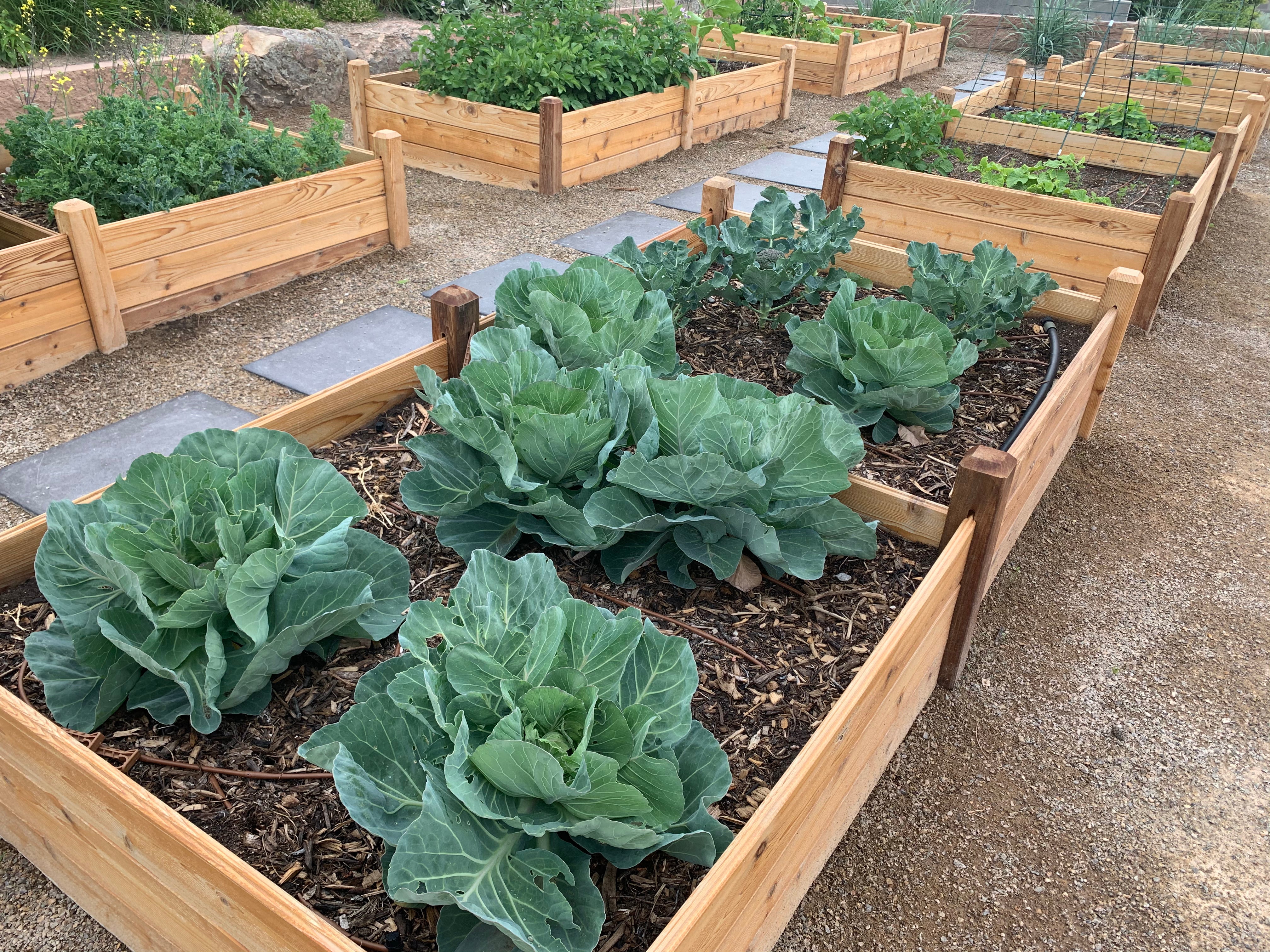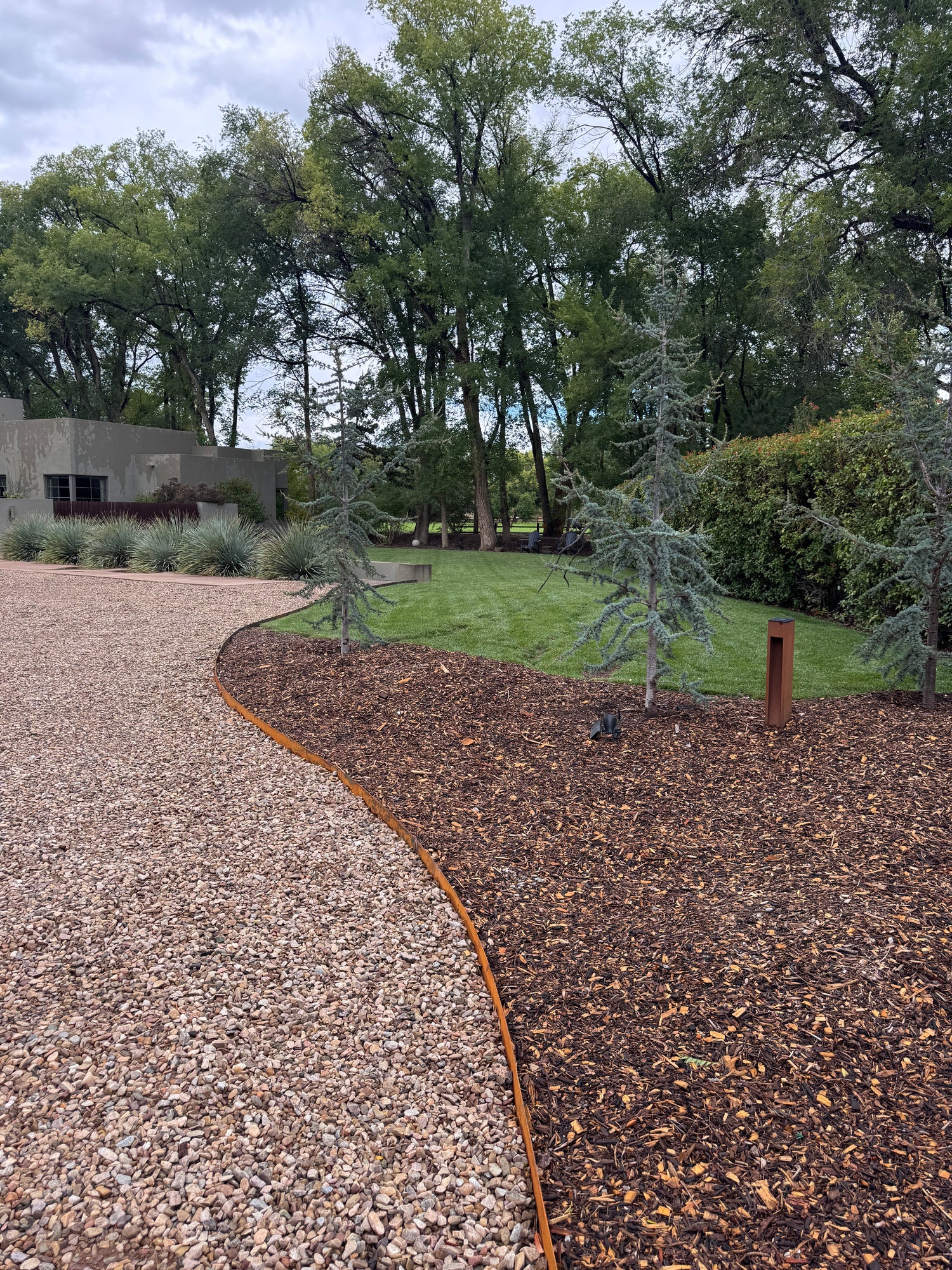


Your vegetable garden is up and growing—and so are the questions.
🤔 Why do some plants look great while others are struggling?
🐛 What's eating my leaves?
🌱 Am I doing something wrong?
If you're asking yourself these questions, you're not alone. Every gardener reaches a point where the excitement of planting gives way to troubleshooting. Fortunately, a few simple adjustments—and a little patience—can make all the difference.
Here are a few to watch for:
🐞 1. Panicking at the First Sign of Imperfection
A few holes in your leaves? Uneven growth? A bug sighting?
In a high desert garden, this is completely normal. Your garden is a living system, and that includes insects, fungi, and constant change. Not all bugs are bad—in fact, many are beneficial and help keep things in balance.
Before jumping to fix something, take a step back and observe. Most issues work themselves out as your garden ecosystem develops.
🚫🧪 2. Using Pesticides or Chemicals
This is one we feel strongly about: skip them entirely.
Pesticides and chemical treatments don't just target the "bad" bugs—they wipe out beneficial insects, disrupt soil biology, and work against the natural systems your garden depends on. They can also have unintended impacts on your family, pets, and the broader environment.
A healthy garden is built on balance, not elimination. When you avoid chemicals and let nature do its job, you create a more resilient system that improves over time.
💧☀️ 3. Underwatering as Temperatures Rise

As summer temperatures arrive, this is one of the most common challenges we see in vegetable gardens.
As temperatures climb, especially in the high desert, soil dries out quickly—particularly in raised beds. By mid- to late May, most vegetable gardens need daily watering to prevent stress and support steady growth.
Inconsistent watering can lead to stunted plants, blossom drop, and overall poor performance. Deep, consistent moisture is key.
🌡️🌱 4. Expecting Everything to Grow at the Same Pace
As the growing season progresses, warm days and cool nights can affect plants differently. Some will take off, while others seem to stall.
This isn't a failure—it's simply how plants respond to fluctuating temperatures. Give them time to catch up as conditions stabilize.
🌿🪱 5. Focusing on Quick Fixes Instead of Soil Health
When something looks off, it's easy to reach for fertilizers or other products. But long-term success comes from building healthy soil, not chasing short-term results.
Adding compost as a light topdressing feeds the beneficial microbes that support your plants, improving water retention, nutrient availability, and overall resilience as we head into the hotter months.
❤️ The Common Thread? Patience.

Gardening in the high desert isn't about controlling every variable—it's about working with nature, not against it.
When you give your garden time to find its balance and focus on building healthy soil, everything else starts to fall into place.
So if things feel a little messy right now...
🌱 You're probably closer to success than you think.
Just keep growing.