

The Real Value of Composting
It’s easy to assume that once food scraps leave a school, restaurant or grocery store, they suddenly become “valuable.”
In reality, composting food waste is not a disposal shortcut — it’s a regulated manufacturing process.
When a business pays to compost food waste, they’re investing in:
Professional Collection & Handling
Food waste is heavy, wet, and highly perishable. It must be collected frequently, transported safely, and managed carefully to prevent odors, pests, and contamination.
Permitted Land & Engineered Infrastructure
Composting requires state permits, engineered pads, stormwater controls, and groundwater protections. Facilities are designed and monitored to protect surrounding communities and the environment.
Skilled Labor
Compost doesn’t just sit in a pile.
Operators actively manage every batch — monitoring temperature, oxygen, moisture, and carbon-to-nitrogen ratios to ensure proper pathogen reduction and stable, high-quality compost.
Industrial Equipment
Turning food waste into safe compost requires major capital investment, including:
- Front loaders
- Windrow turners
- Screening plants
- Grinders
- Depackaging equipment
These machines are expensive to purchase, fuel, maintain, and repair — but they are essential to producing a clean, finished product.
Water & Utilities
Maintaining aerobic composting conditions requires active water management and ongoing utility use.
Time
Finished compost takes months to produce. During that time, material is turned, tested, monitored, and screened before it is ready for sale or use.
Testing & Compliance
Responsible composting includes independent lab testing, regulatory reporting, and strict compliance standards to protect public health, soil ecosystems, and food safety.
Composting vs. Landfilling
When food waste goes to a landfill:
- It is buried without oxygen
- It produces methane — a greenhouse gas far more potent than carbon dioxide
- Nutrients are permanently lost
When food waste is composted:
- It decomposes with oxygen
- Methane is avoided
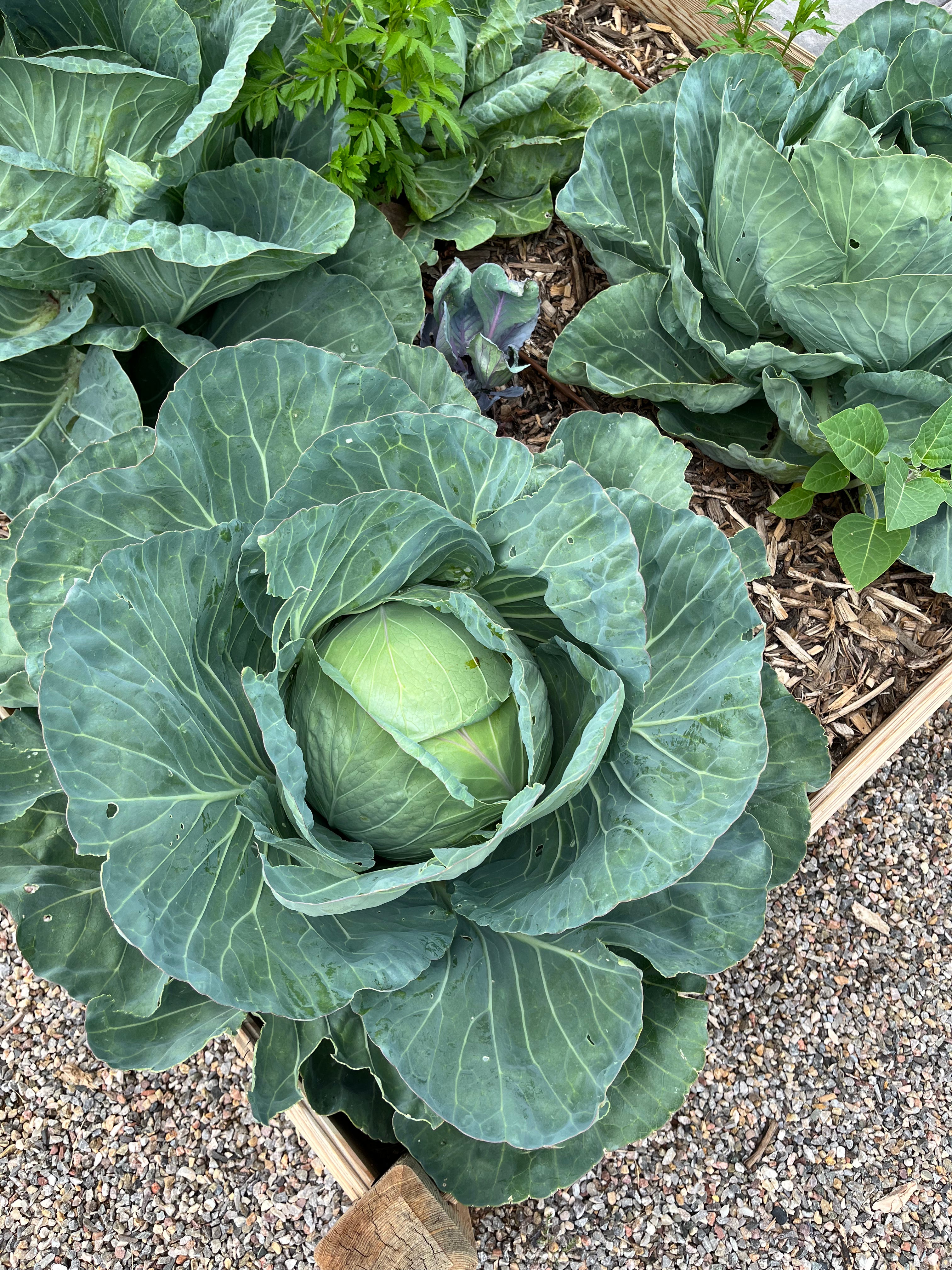
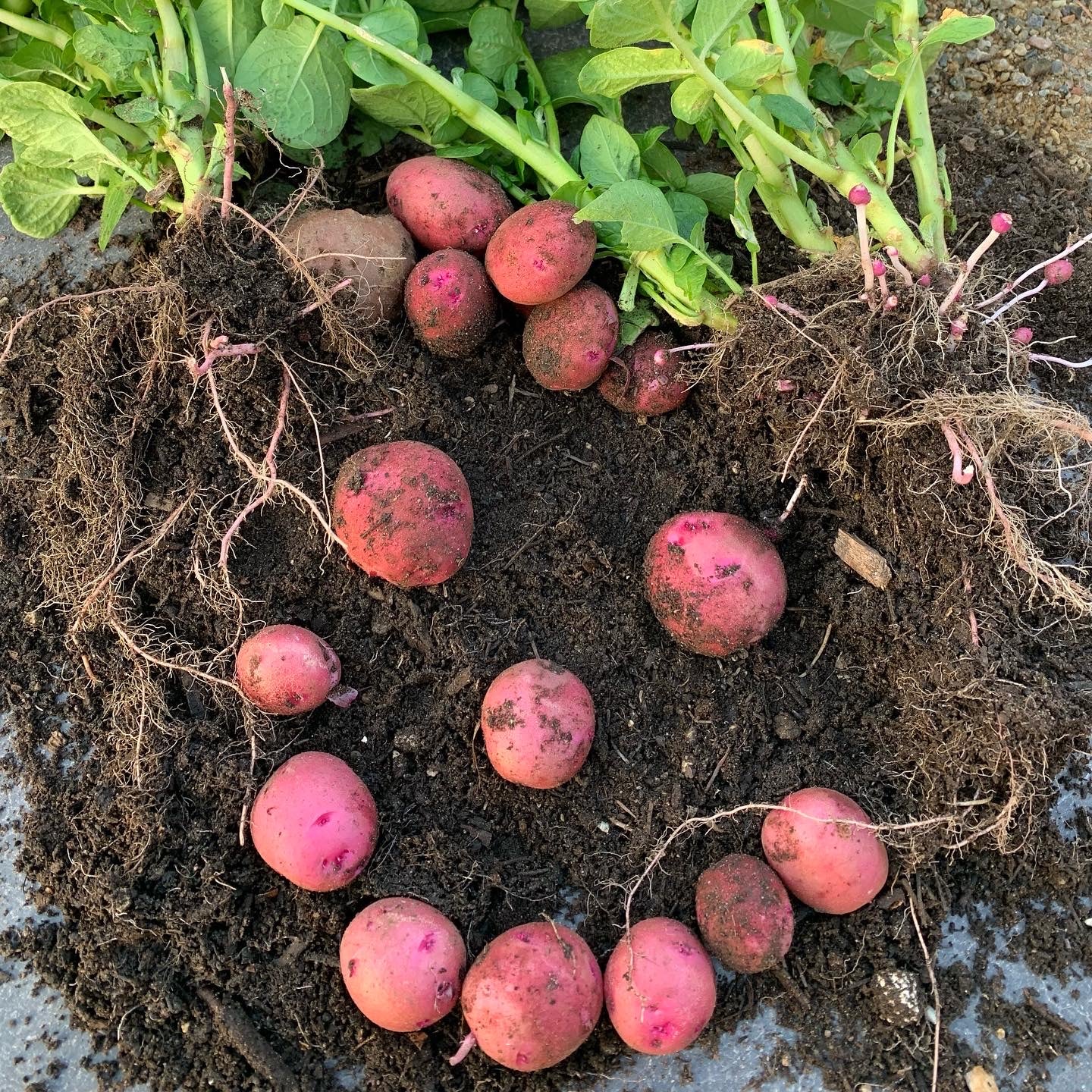
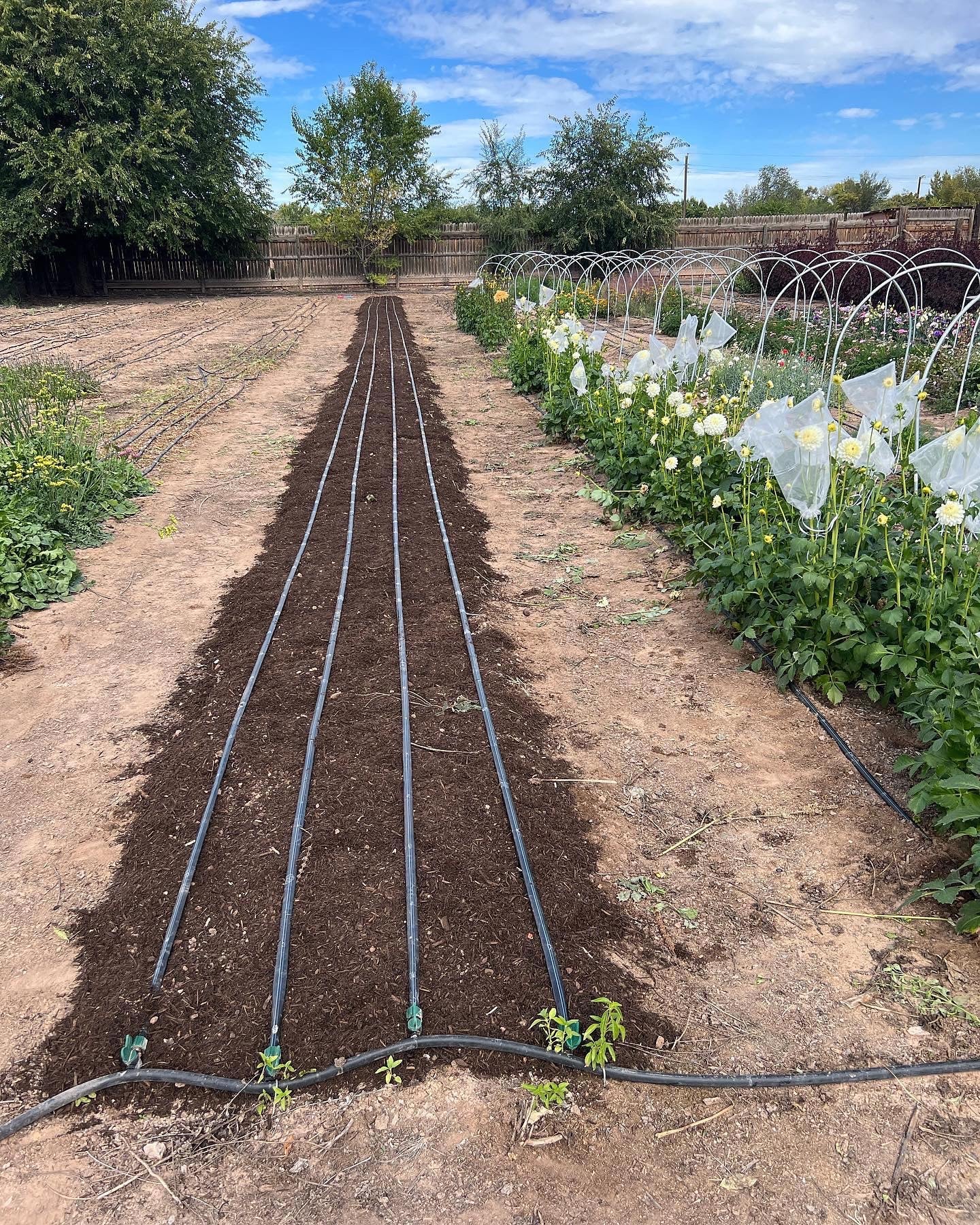
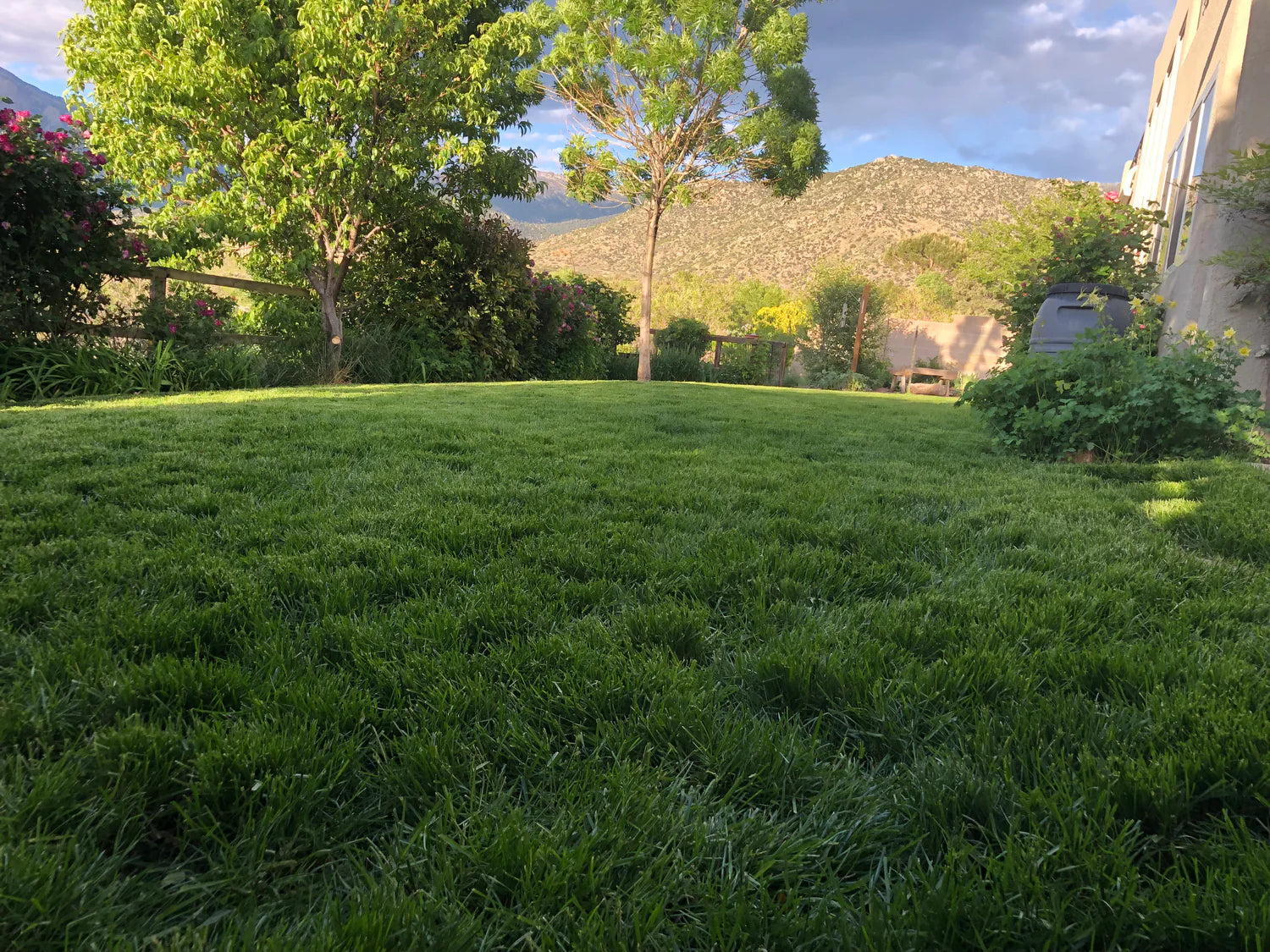
- Nutrients are returned to the soil
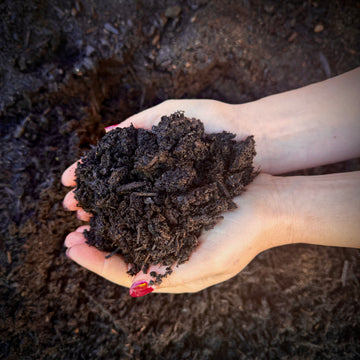
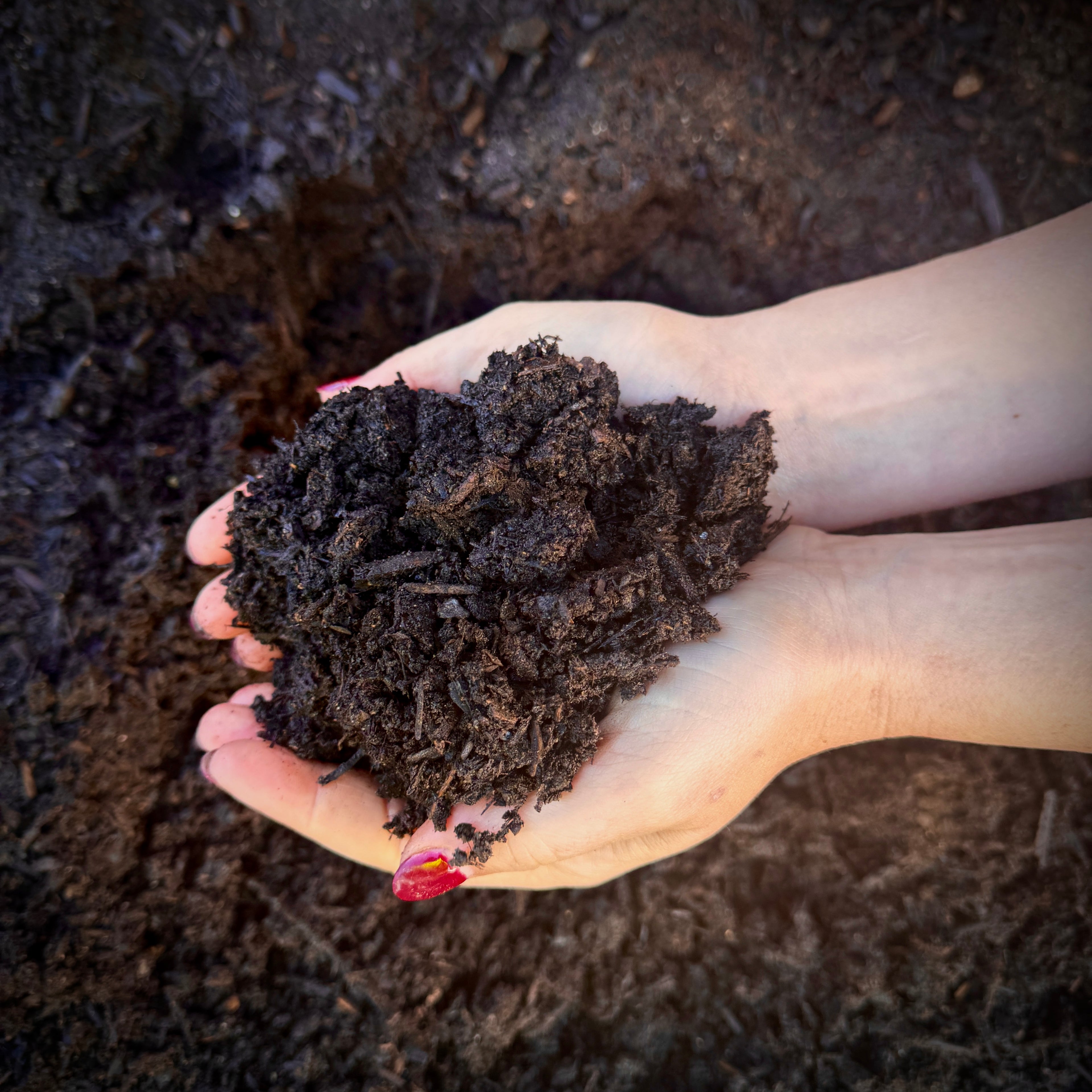
- The finished product improves soil health, increases water retention, and reduces reliance on synthetic fertilizers
The Bottom Line
Businesses pay to dispose of food waste no matter where it goes.
Landfills charge to bury a problem.
Compost facilities charge to responsibly manufacture a solution.
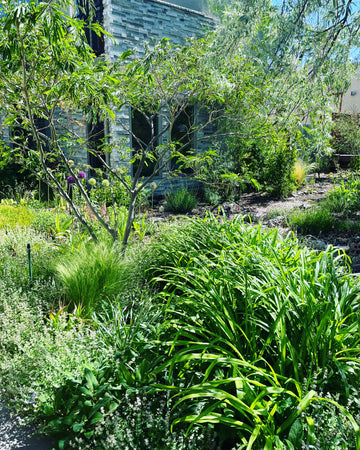
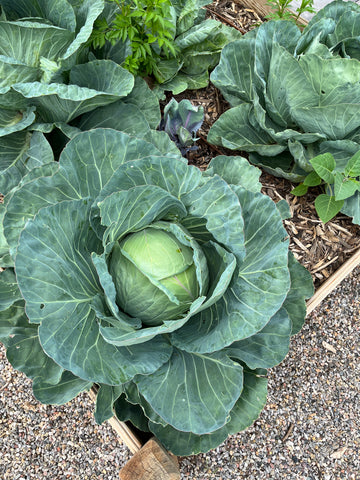
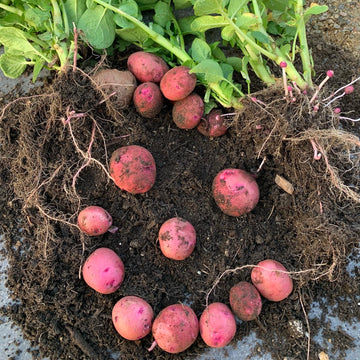
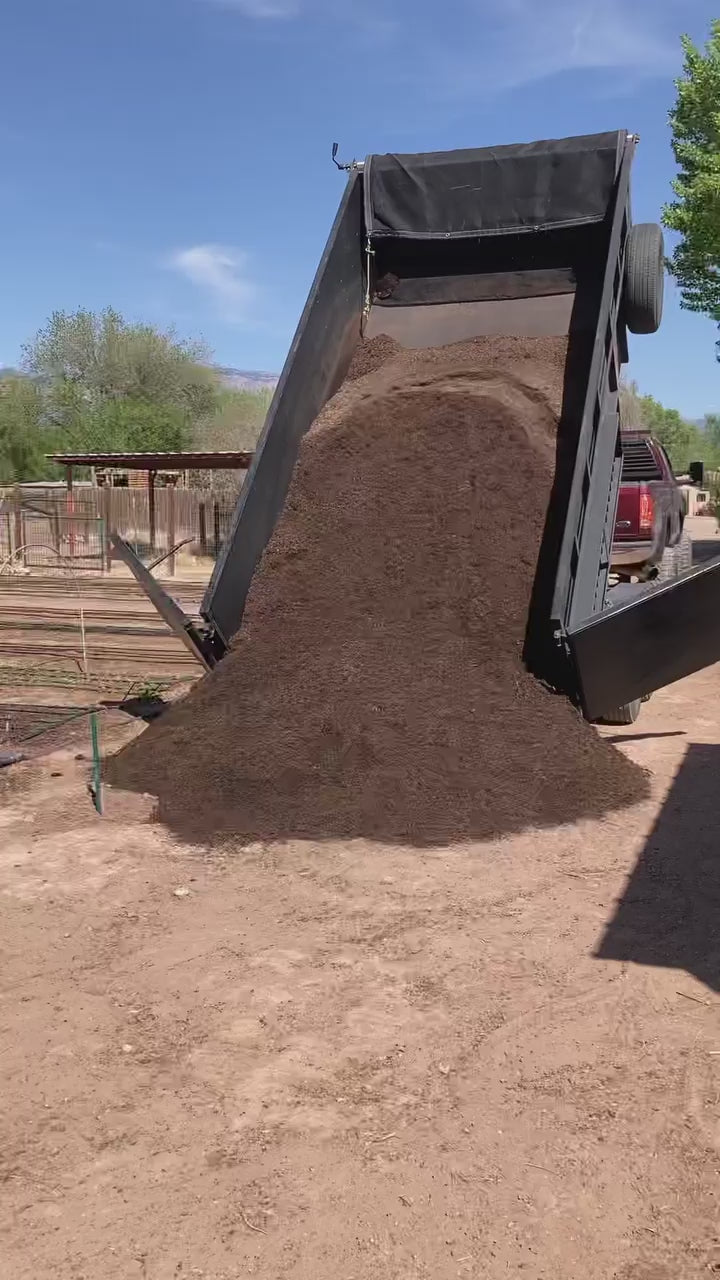
Composting transforms unavoidable food waste into nutrient-rich soil that supports local agriculture, strengthens landscapes, and contributes to a circular economy. Doing that correctly, safely, and legally requires real infrastructure, real labor, and real investment.
If your business is interested in recycling organic waste responsibly, below or contact us at info@soilutions.net.