

Shop Bestsellers - Delivered!
-
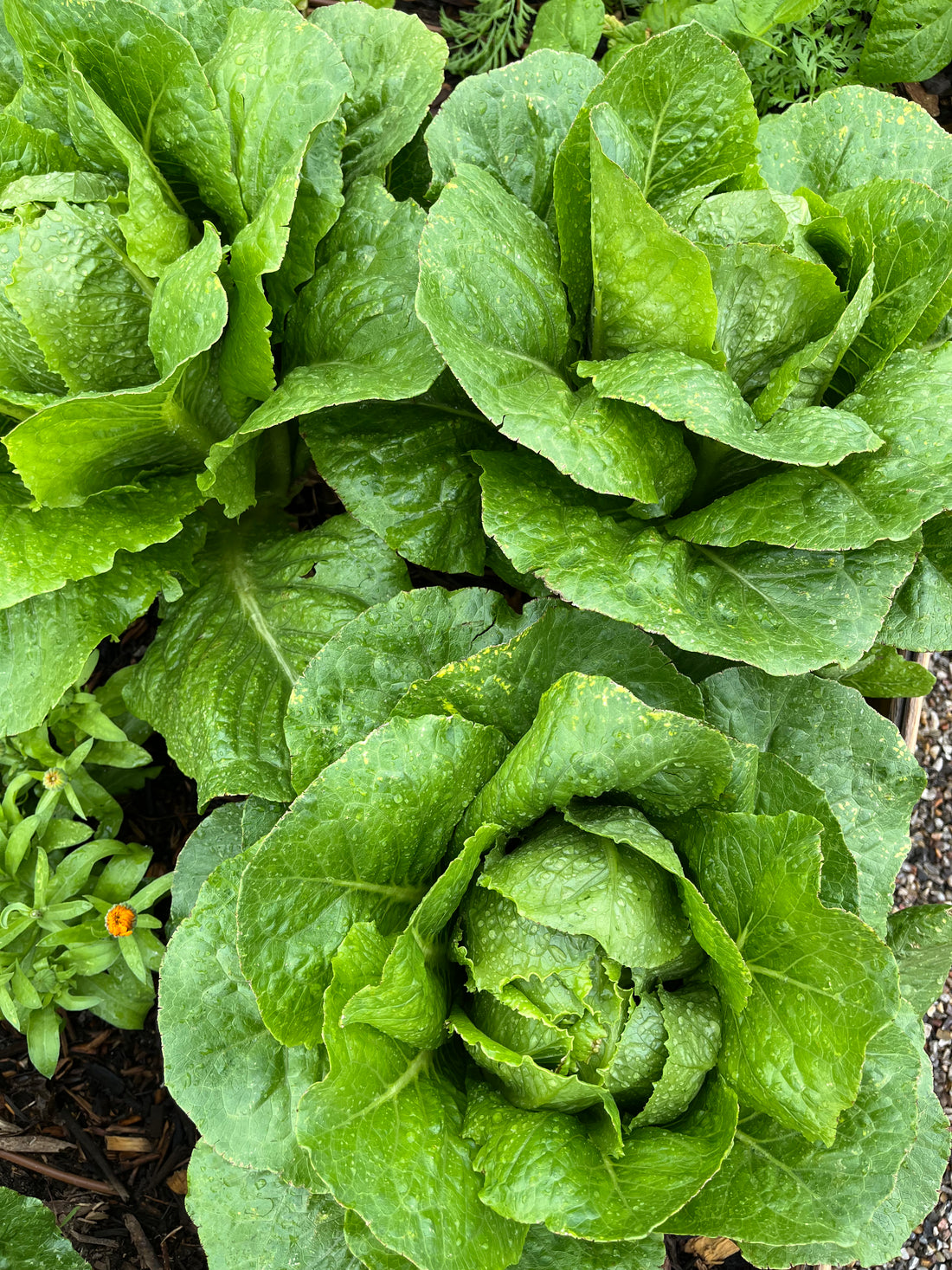
PREMIUM GARDEN SOIL - DELIVERED
 PREMIUM GARDEN SOIL - DELIVERED
- Regular price
-
$
172.00 / CUBIC YARD DELIVERED - Regular price
-
- Sale price
-
172.00
-
ENRICHED TOPSOIL - DELIVERED
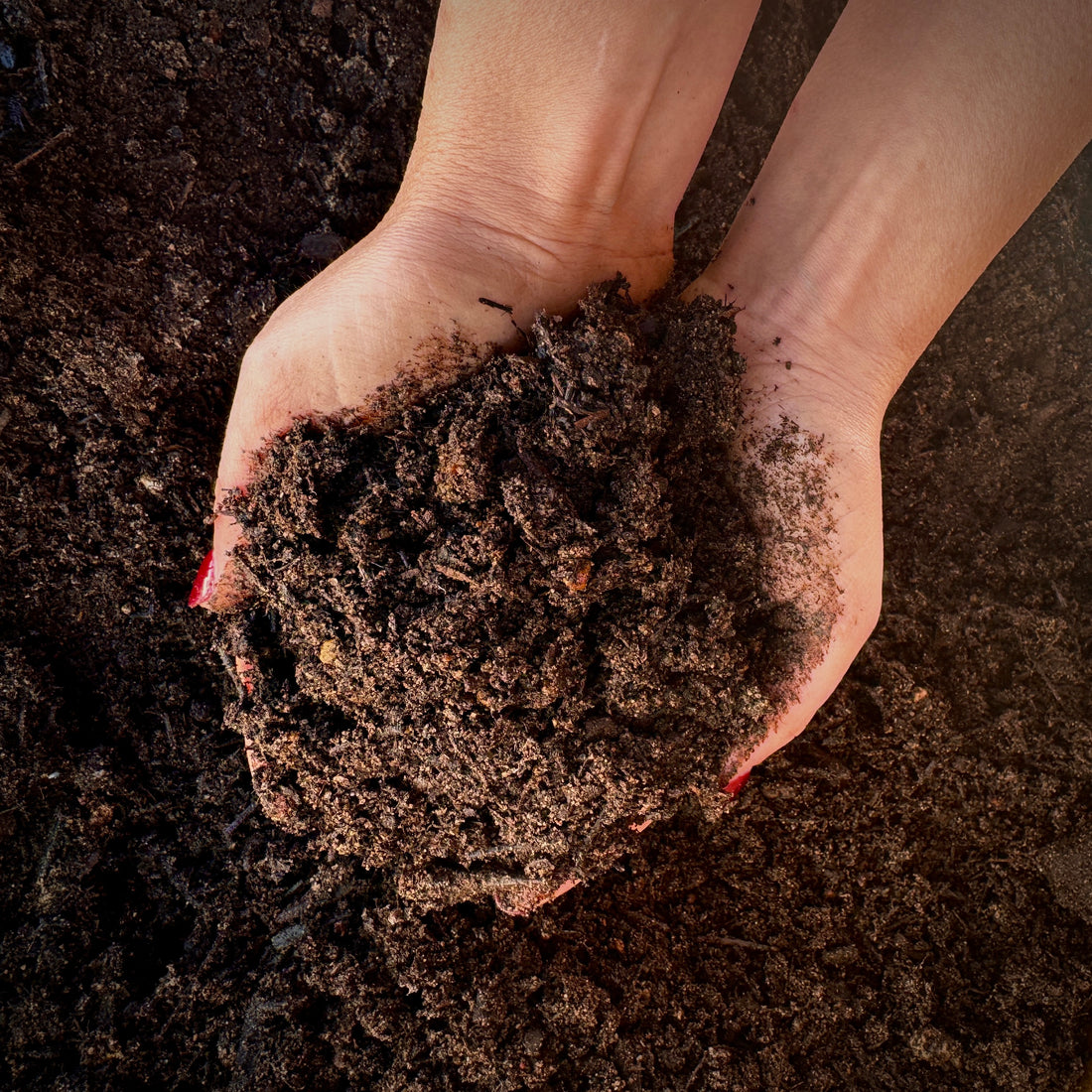 ENRICHED TOPSOIL - DELIVERED
- Regular price
-
$
140.00 / CUBIC YARD DELIVERED - Regular price
-
- Sale price
-
140.00
-
SOILUTIONS COMPOST - DELIVERED
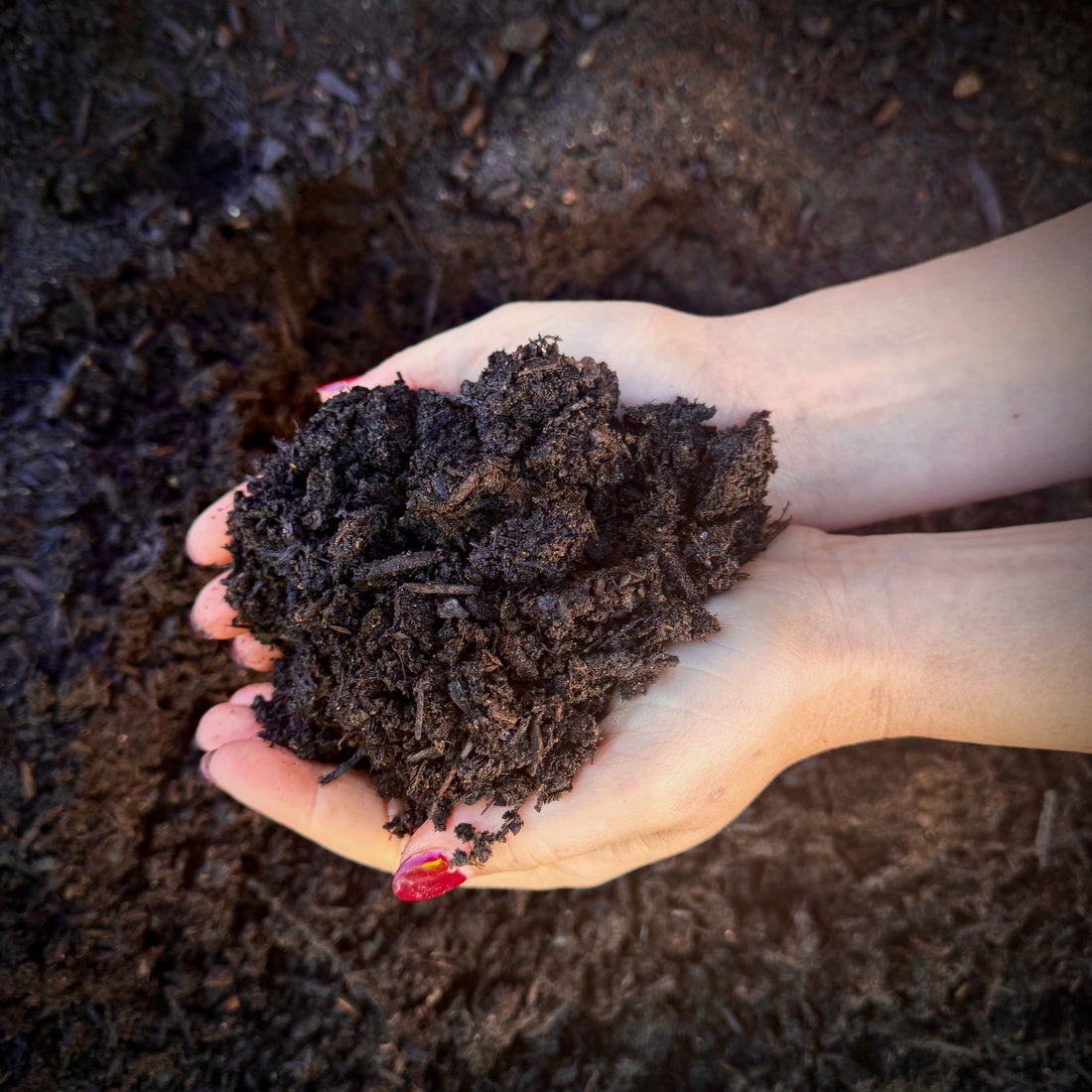 SOILUTIONS COMPOST - DELIVERED
- Regular price
-
$
129.00 / CUBIC YARD DELIVERED - Regular price
-
- Sale price
-
129.00
-
FOREST FLOOR MULCH - DELIVERED
 FOREST FLOOR MULCH - DELIVERED
- Regular price
-
$
125.00 / CUBIC YARD DELIVERED - Regular price
-
- Sale price
-
125.00




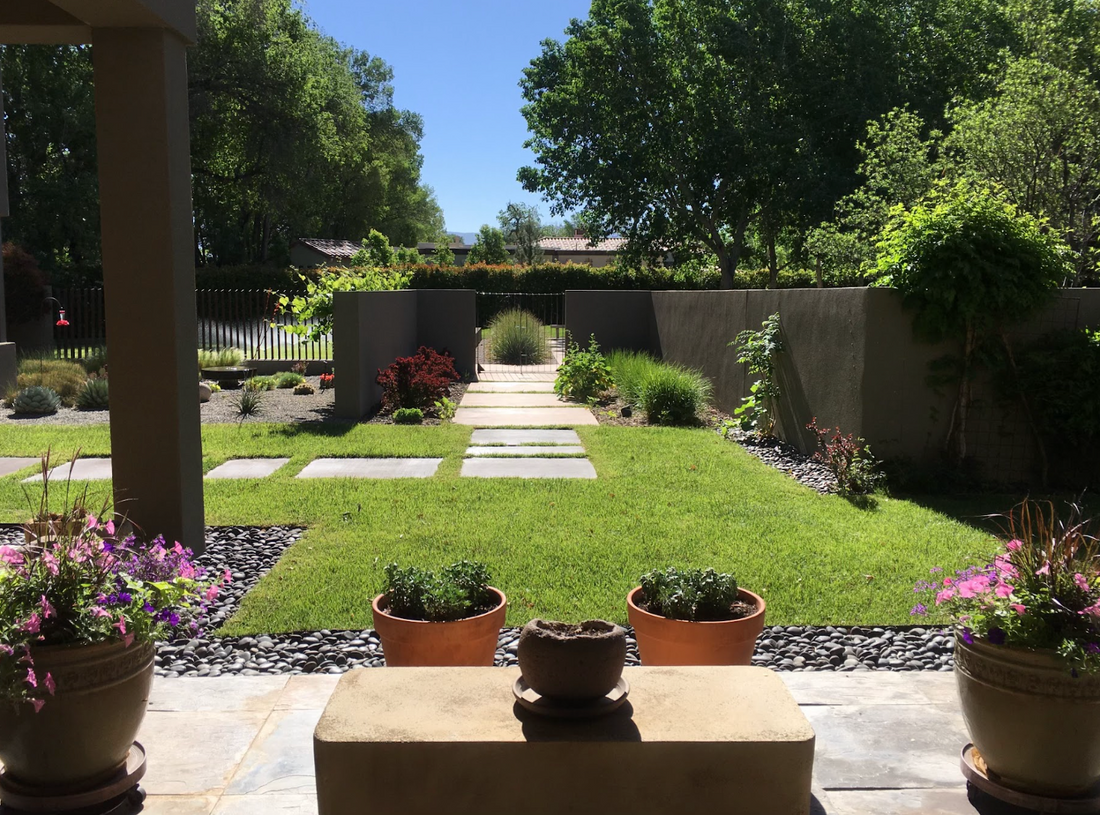
Topdress Your Lawn Before Winter
Check out our how to guide on getting your lawn ready for winter!
Why Soilutions is the Best Choice for Your Garden

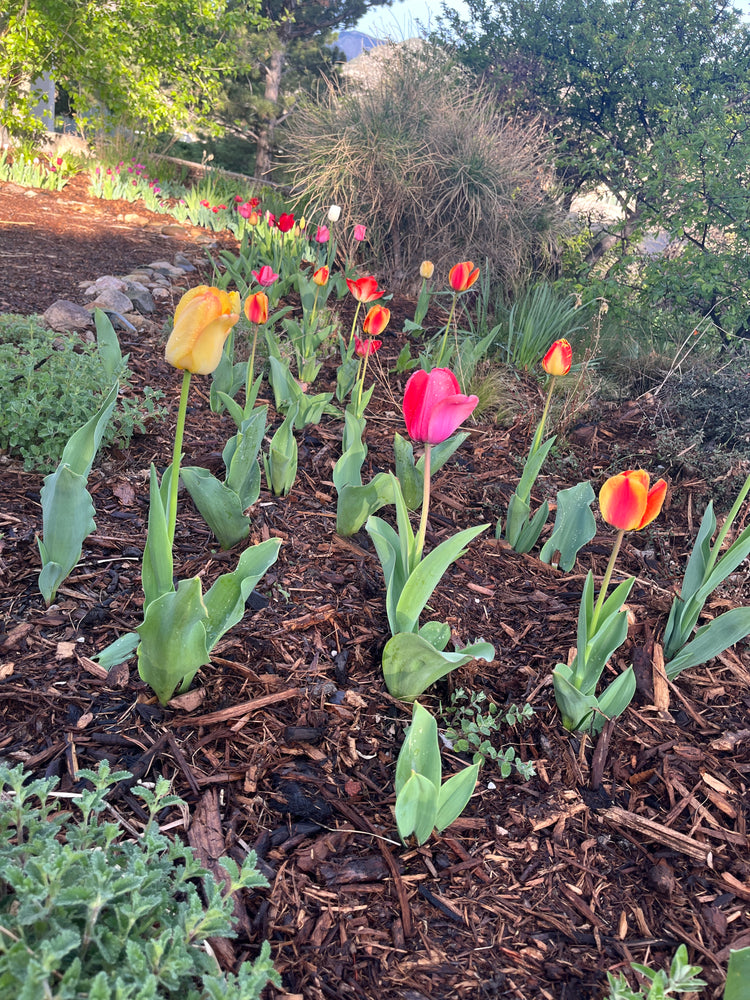
Getting Local Bulk Soil Is Easy! 3 Ways:
-

Full Service Installation
Click to order Work Glove ServiceOur Work Glove Service includes delivery and placement of your product where you need it! Prices include delivery and spreading service.
-
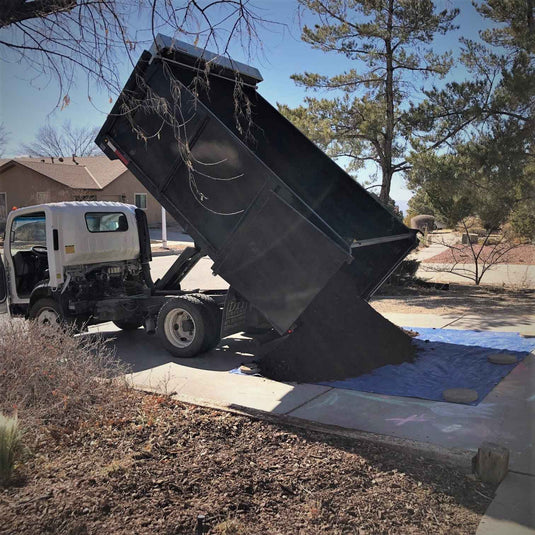
Have it Delivered
CLICK TO ORDER DELIVERYWe've got you covered with convenient driveway delivery of bulk compost, soil and mulch so you can get growing! Prices include product and delivery.
-

Pick-Up? We Can Load it!
CLICK TO ORDER FOR PICK-UPVisit one of our convenient locations and we'll load your truck with bulk compost, soil and mulch. Order online or head to the location closest to you and purchase when you get there.



Project Guides
-

RAISED BED GARDENING 101
RAISED BEDS 101Check out our easy to follow guides for a successful raised bed garden in our high desert climate.
-

LAWN CARE 101
LAWN CARE 101From new sod or seed, to topdressing your lawn, we'll guide you step by step.
-

TREES & SHRUBS 101
TREES & SHRUBS 101Discover the world of Trees and Shrubs from planting to established care.




PREMIUM GARDEN SOIL - DELIVERED
- Regular price
-
$
172.00 / CUBIC YARD DELIVERED - Regular price
-
- Sale price
-
172.00
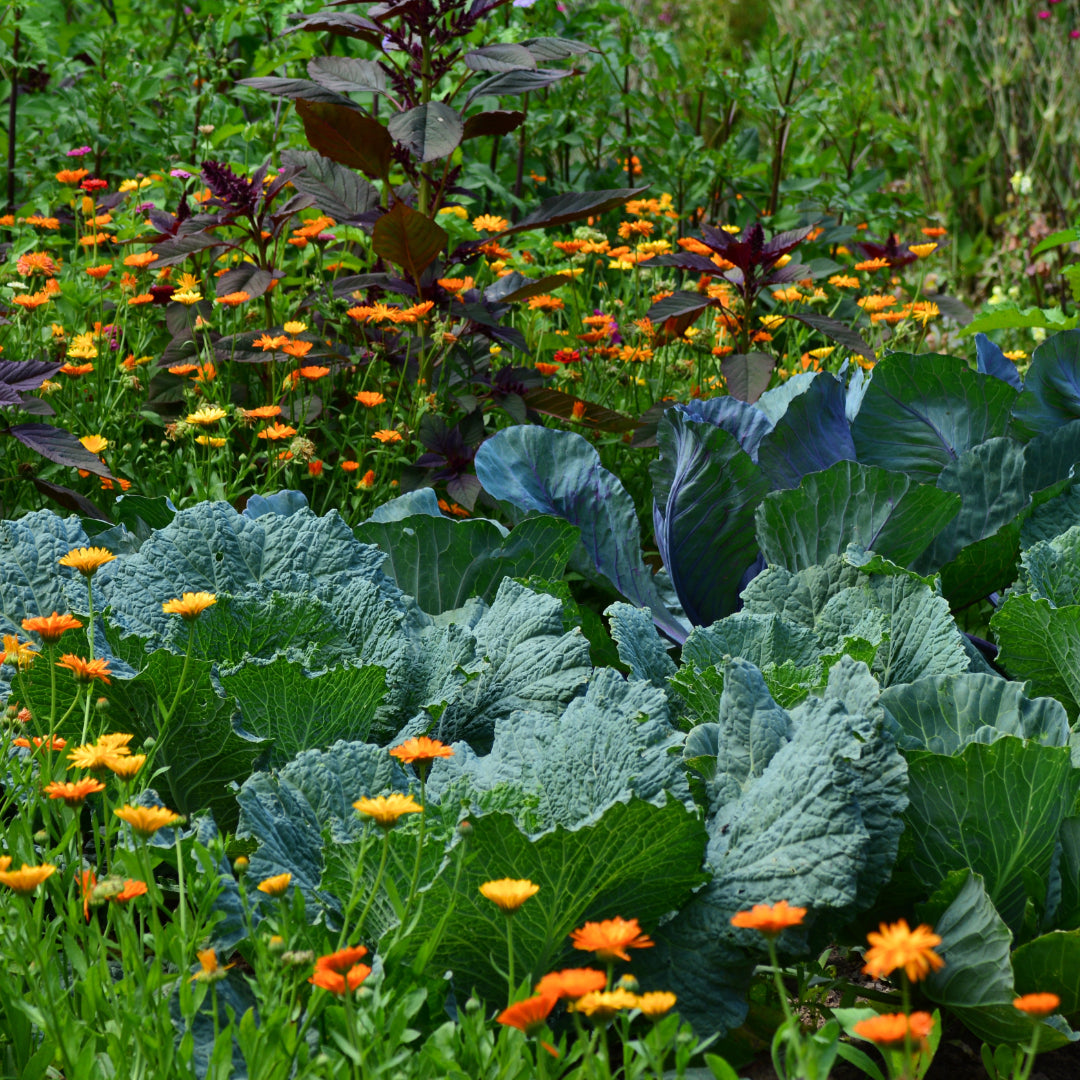
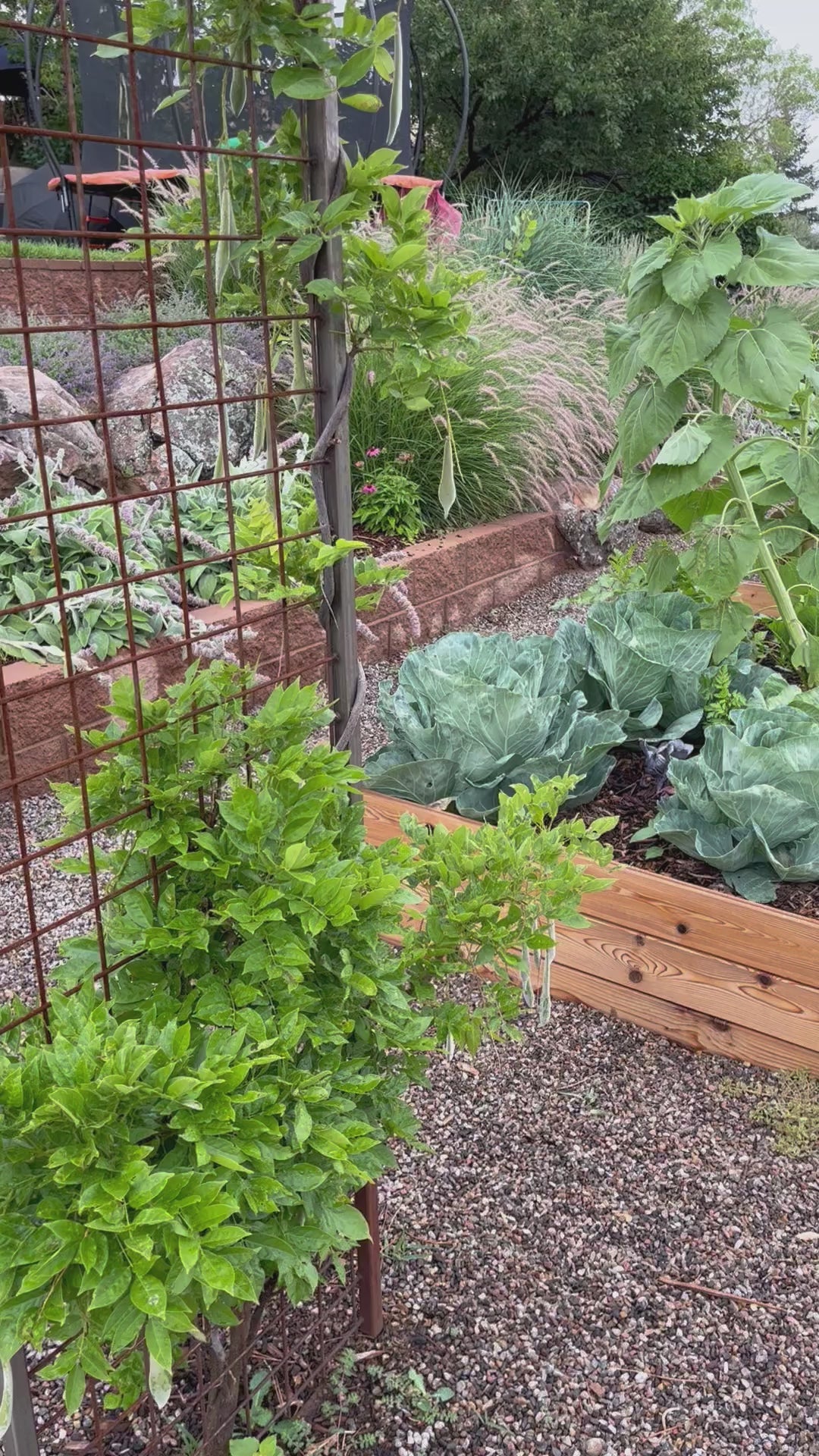
Premium Garden Soil is our choice for raised beds as the components prevent compaction and over saturation, helping maintain oxygen flow while providing ample nutrients for healthy plants. This soil is also our recommendation for rose gardens and transplants of any flowers from nursery pots to in-ground. If you're looking for higher yields in your flower and vegetable production, look no further than Soilutions Premium Garden Soil.






From Our Family to Yours
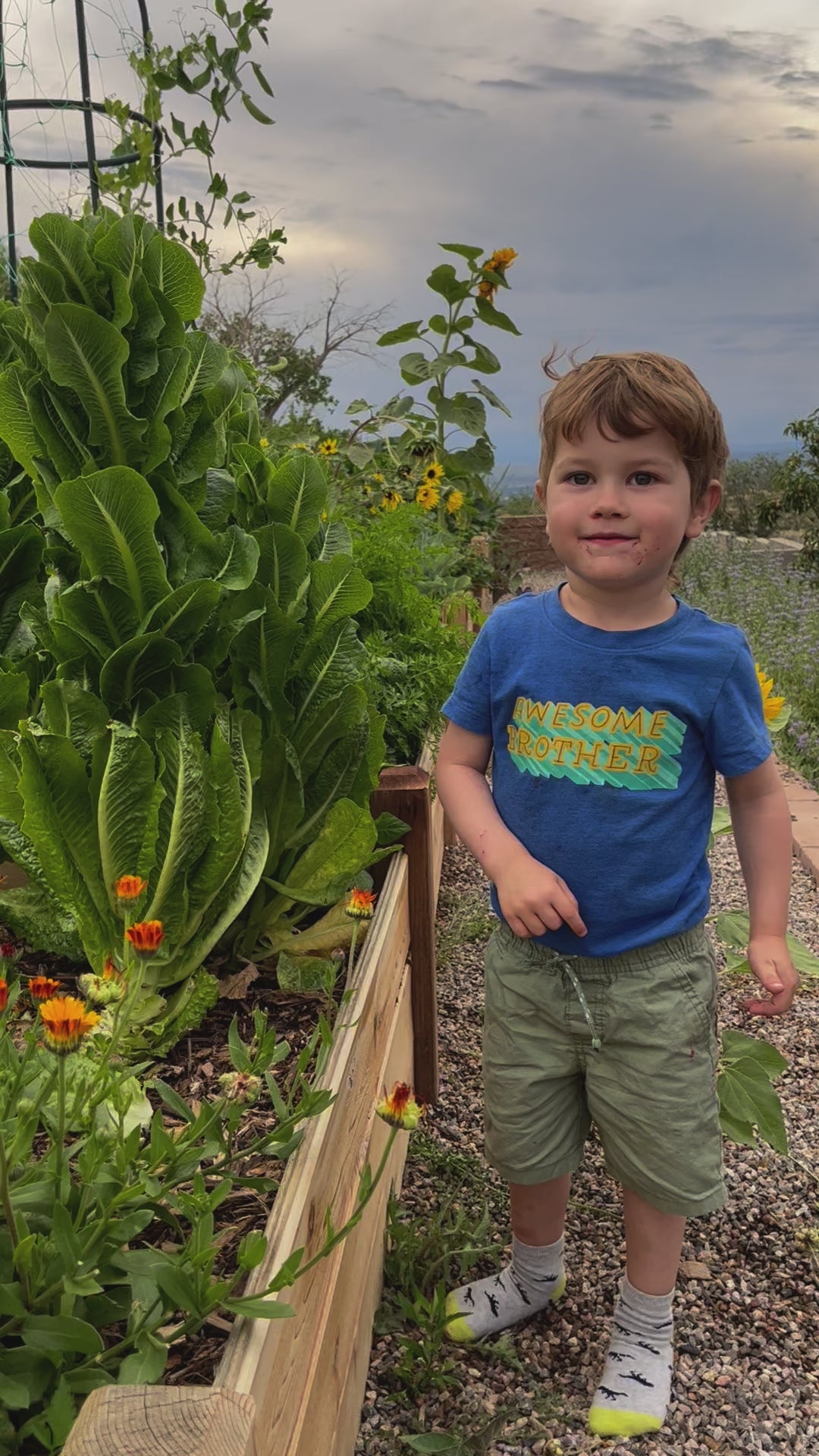
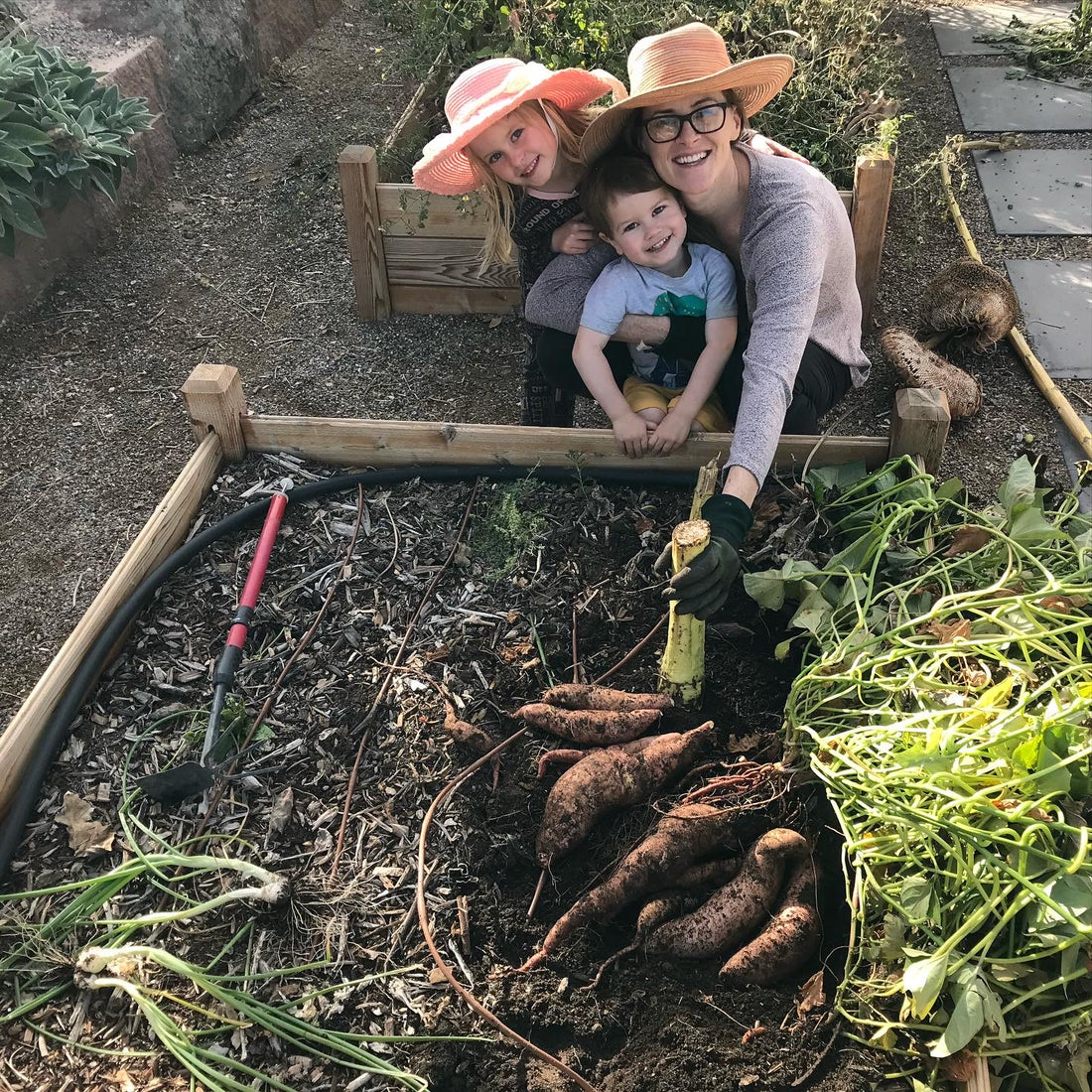
You can feel confident encouraging your whole family to dig into the joy of gardening because we never add chemicals, dyes, peat moss or biosolids (human manure) to Soilutions products.
Why We Exist
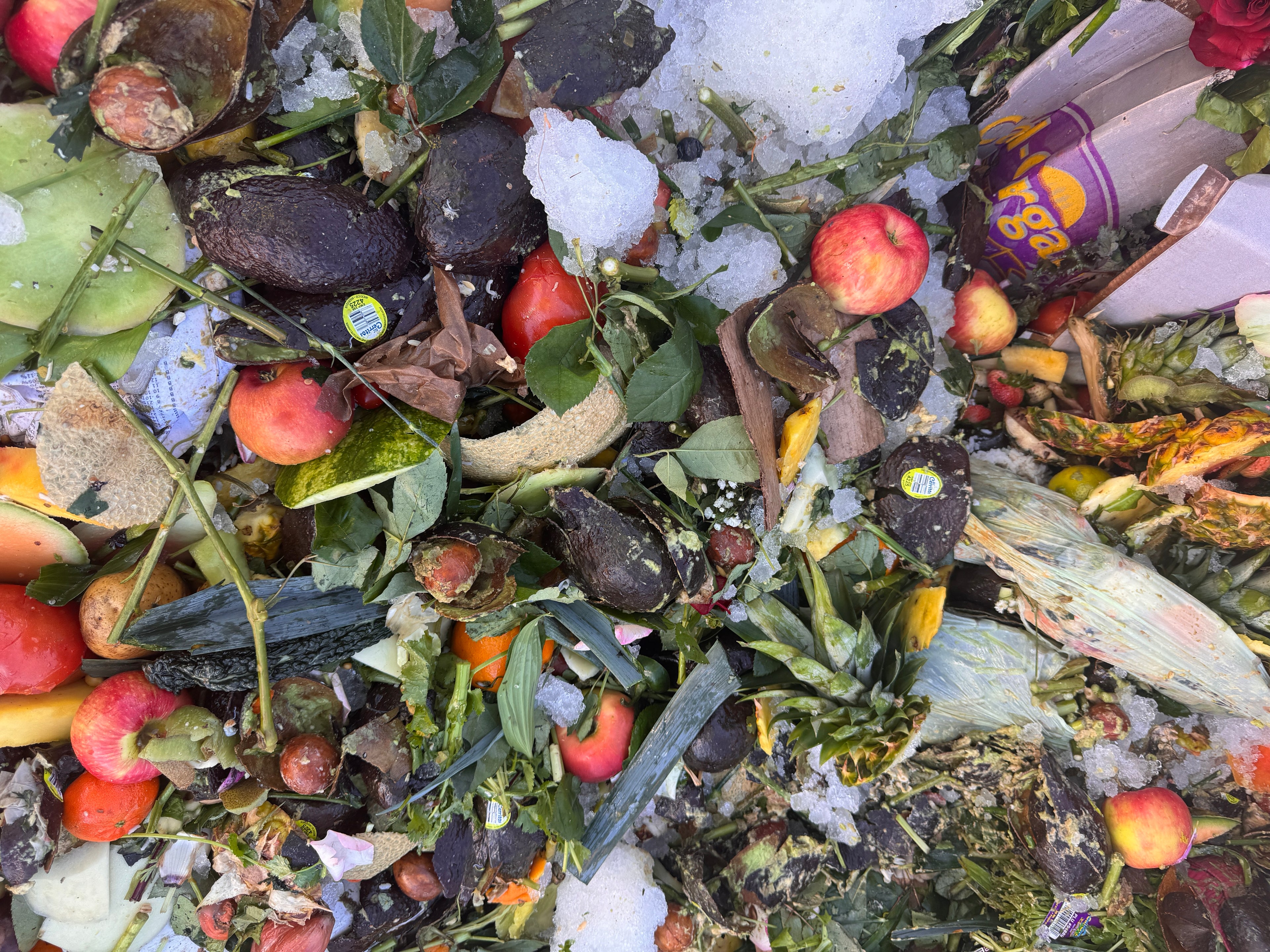
Nature invented and perfected the composting process over billions of years.
Her brilliantly simple process transforms organic waste into the perfect fertilizer, ready to begin again the elegant cycle from seed to soil to seed that has existed always.
At Soilutions, we are called to restore this beautiful solution, following Nature’s simple wisdom to help our Planet, our children, our community and future generations.